Potting Soil vs. Garden Soil: What East Bay Gardeners Need To Know
Key Takeaways
- Potting soil is lightweight and fast-draining — built for containers, where compacted, soggy soil suffocates roots.
- Garden soil is denser and enriches native dirt — built for raised beds and in-ground planting, not pots.
- Manufacturers aren't always consistent with labels, so check the ingredient list, not just the product name.
- A good bag tells you three things: structure (bark, coir, peat), drainage (perlite, pumice, vermiculite), and nutrients (compost, castings, meal).
- Rule of thumb: potting soil for pots, garden soil or planting mix for beds and ground.
If you've ever stood in a garden center wondering whether to grab "potting soil," "garden soil," "potting mix," or "planting mix," you're not alone. These bags often sit side by side, and the names get used loosely, even by manufacturers. Here are the differences that actually matter, plus how to choose the right bag for your containers, raised beds, or in-ground planting areas. (Growing indoor plants? We'll cover potting mixes for that in a separate post.)
Potting Soil vs. Garden Soil: The Core Difference
Potting soil is a lightweight, well-aerated blend, usually built from ingredients like peat moss, coconut coir, bark, and perlite or pumice. It is designed to perform in a pot where drainage and airflow are critical. Because roots in a container are more confined than roots in the ground, they need a mix that won't become compacted or stay soggy.
Garden soil, by contrast, is usually a denser blend of native soil, organic matter such as bark mulch, and possibly some compost or other nutrient-containing ingredients. It is designed to amend the dirt your yard already has, thus improving both structure and fertility in raised beds and in-ground planting areas over time.
The UC Master Gardeners are direct about what is suitable for container growing: even good-quality garden soil performs poorly in containers because it lacks the aeration that the plant roots need.
If you're planting in a pot, reach for potting soil. If you're improving ground soil or filling a raised bed, use garden soil or a raised bed–specific blend.
Pro Tip: You'll sometimes see "garden soil" products marketed as suitable for containers or raised beds, or "potting soil" recommended for raised beds. Manufacturers aren't always consistent with these labels, so the ingredient list on the back of the bag tells you much more than the product name on the front.
"Potting Mix," "Planting Mix," "Potting Soil": Same Thing?
Mostly, yes, with some overlap. "Potting mix" and "potting soil" are frequently used interchangeably, though a mix is more likely to be entirely soilless (no actual dirt). "Planting mix" usually refers to a blend meant to be worked into the ground. It is closer in purpose to garden soil, but often formulated for a specific application like raised beds. When in doubt, read the ingredients.
How to Read a Bag: Structure, Drainage, and Nutrients
Every quality bag should tell you three things:
- Structure: What holds the mix together and keeps it from compacting? Look for bark, coir, or peat moss.
- Drainage: What creates air space for roots? Perlite and pumice are the most common sources. Vermiculite is also an option. The lighter and fluffier the mix feels, the better it will drain.
- Nutrients: Is there a starter fertilizer or amendment like earthworm castings, kelp meal, alfalfa meal, bat guano, or chicken manure? This gives you a general idea how long the bag will feed your plant before you need to fertilize again.
Our Potting & Planting Mixes, by Project
For containers and pots:
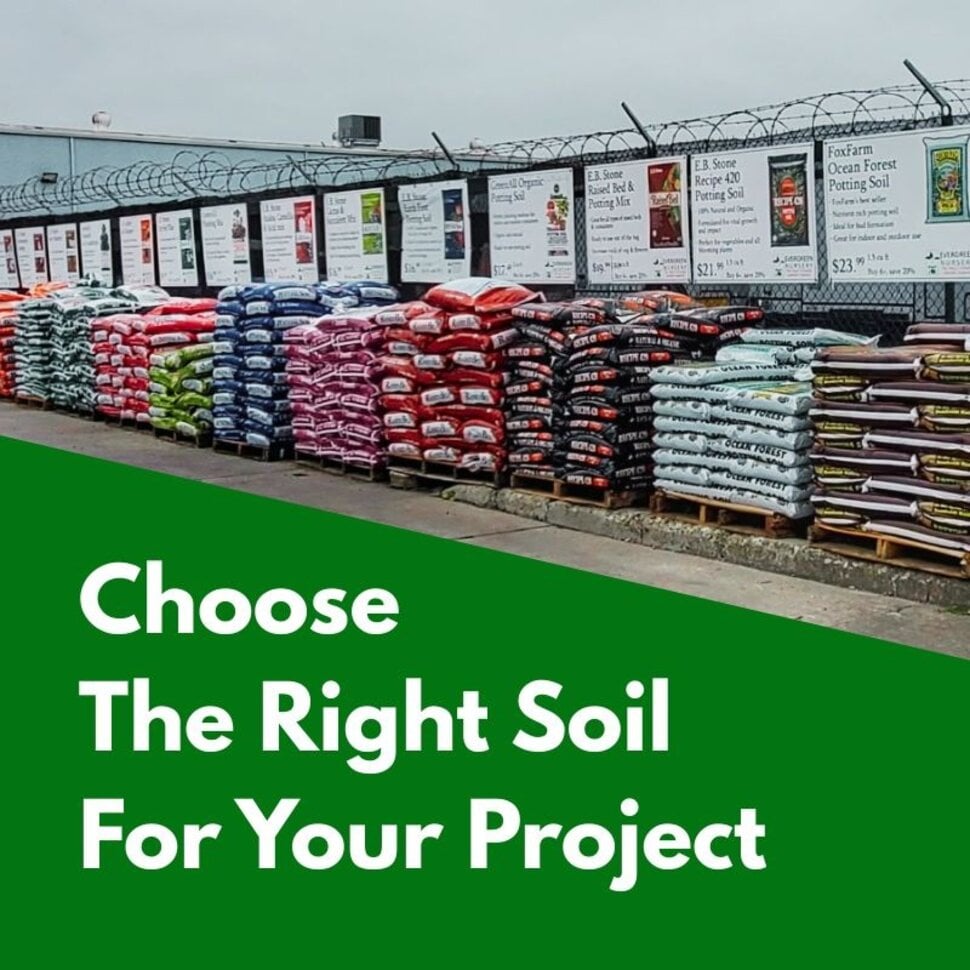
- E.B. Stone’s Earth First Potting Soil: Our peat-free option, created with sustainably produced coconut coir instead of peat moss.
- E.B. Stone’s Recipe 420 Potting Soil: Nutrient-dense and a favorite with cannabis growers, it also performs very well for other heavy feeders like tomatoes.
- FoxFarm Ocean Forest Potting Soil and FoxFarm Happy Frog Potting Soil: Both are premium mixes with added nutrients and suitable for many types of crops.
- GreenAll Natural & Organic Potting Soil: A versatile soil great for potting flowers and other ornamentals.
For raised beds and in-ground planting:
- E.B. Stone’s Raised Bed Potting or Planting Mix: Specifically designed for raised beds, this mix is rich in nutrient sources plus made with coir and pumice for drainage.
- E.B. Stone’s Big Harvest Garden Soil: An all purpose garden soil with added nutrients for in-ground plantings. Not intended for raised beds.
- E.B. Stone’s Top Soil Plus: Use as a garden area filler or as an amendment to help create a more sandy loam structure.
- GreenAll Planting Mix: An all purpose mix for in-ground plantings.
- Happy Hippy Bulk Planting Mix: Our budget-friendly bulk option sold in one-cubic foot bags or by the half cubic yard. It is outstanding for vegetable gardens and economical for larger raised beds & planting areas. Tandi Family Farms in San Leandro has been using this mix for their 2026 Victory Gardens with great results.
For specialty plants:
- E.B. Stone’s Cactus Mix: Fast-draining for succulents and cacti.
- E.B. Stone’s Citrus & Palm Mix: Formulated for excellent drainage, suitable for both containers and in-ground planting.
- E.B. Stone’s Azalea, Camellia, Gardenia Planting Mix: Designed specifically for acid-loving plants, especially Blueberries. Use as an amendment when planting in ground, or solo when planting in containers.
The Bottom Line
Match the product type to the job: potting soil for pots; garden soil or planting mix for beds and in-ground planting. Always check the ingredient list when a product label seems confusing or unclear. Our staff can help you select a specific mix for whatever you're growing. Stop by the nursery or browse our full lineup of bagged potting and planting mixes on our site.
Frequently Asked Questions
Can I use garden soil in a pot or container?
It's not recommended. Even good-quality garden soil is too dense for containers as it compacts around roots and drains poorly, which can lead to root rot. Use a potting soil formulated for containers instead. Look for good drainage ingredients like perlite, pumice, or vermiculite.
Can I use potting soil in my raised bed or garden?
You can, but it's not the most cost-effective choice for a large space, since potting soil is typically more expensive per cubic foot than a raised bed or garden mix. For raised beds, a blend like E.B. Stone Raised Bed Mix or a bulk option like Happy Hippie Planting Mix is usually a better fit for both your plants and your budget.
What's the difference between potting soil and potting mix?
The terms are largely interchangeable, though "potting mix" more often signals a soilless blend (no actual dirt), while "potting soil" may contain some. The safest way to know what you're getting is to check the ingredient list on the bag.
How often should I replace potting soil in containers?
As a general guideline, refresh container soil every one to two years, mixing in new potting soil and fertilizer as needed. This is especially important if water starts running straight through the pot without being absorbed, or the soil has pulled away from the pot's sides.
Is E.B. Stone Recipe 420 only for cannabis?
No. While it's a favorite among cannabis growers for its nutrient density, Recipe 420 also performs well for other heavy-feeding plants like tomatoes and other vegetables.
Sources
This guide draws on horticultural guidance from the UC Master Gardener Program, product information from E.B. Stone Organics, and the collective gardening experience of the team at Evergreen Nursery.
Stace Brewer Evergreen Nursery Help Desk | Organic Grower | Soil Nerd
Recent articles
View all
Native Plant Extravaganza at Evergreen Nursery in San Leandro
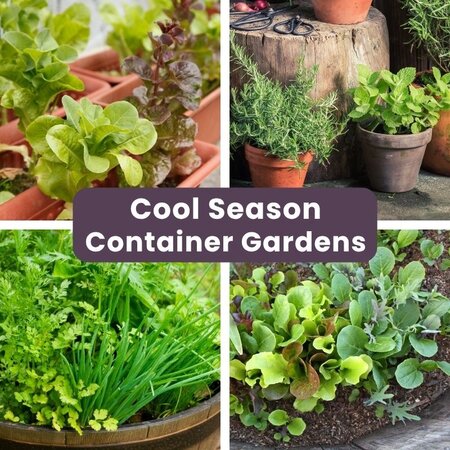
Fall Container Gardening in the East Bay: Cool-Season Veggies, Herbs, and Pollinator Plants