Growing Avocado Trees in the San Francisco East Bay: A Practical Guide
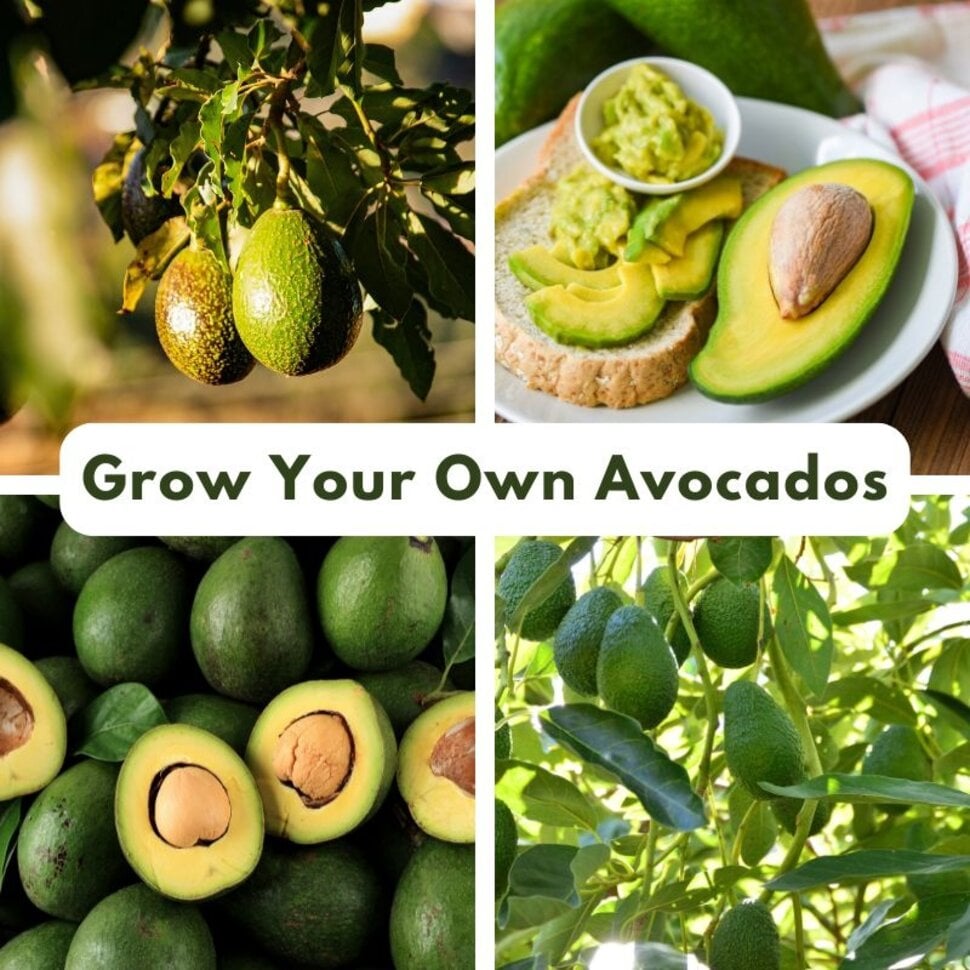
Yes, you can grow Avocados in the East Bay. Our Mediterranean-adjacent climate — mild winters, warm summers, and relatively low humidity — suits Avocados well, especially in the warmer microclimates of Hayward, San Leandro, Castro Valley, and inland Oakland.
Our growing region is at the northern edge of reliable Avocado territory in California, which means variety selection and site choice matter more here than they do in southern locales like Santa Barbara or San Diego. If you get those two things right, you'll be making guacamole from your own backyard within a few years.
Choosing the Right Site for Your Avocado Tree in the East Bay
Avocados want at least 6 to 8 hours per day of full sun and protection from strong winds. In the East Bay, the best planting locations are south- or west-facing spots against a wall or fence that offers wind protection and reflects heat back onto the tree.
Coastal-influenced Oakland and Alameda neighborhoods tend to run cooler and foggier than Hayward, San Leandro, or Castro Valley, so if your garden is in a foggy zone, then a warm, sheltered microclimate becomes even more important.
Avocados are adapted to well-drained, loamy, slightly acidic soil. The heavy clay soils common throughout much of the East Bay are a persistent challenge for many gardeners. Planting areas that are heavy in clay can create a wet environment that invites root rot (Phytophthora cinnamomi), the number one killer of Avocado trees in California.
Pro Tip: If your garden has heavy clay soil, be sure to combine your native soil 50/50 with a quality planting mix formulated for good drainage like E.B. Stone’s Citrus & Palm mix. Also add some E.B. Stone Volcanic Pumice to super charge your soil's structure and aeration.
Transplanting Your 5-Gallon Avocado Tree: The First Steps Matter Most
Acclimation Is Advisable
Nursery-grown Avocado trees come from protected greenhouse environments. When they land at places like our garden center, they are usually partially acclimated to sunny conditions and we continue the process. But be aware that putting a brand-new 5-gallon Avocado tree directly into full afternoon sun may result in leaf scorch and shock.
You may wish to wait several days after you bring your new tree home and place it somewhere with indirect light and just a few hours of direct morning sun. A spot on the east or north side of your house works well. After a week or so, it's ready to transfer to its permanent location.
Planting Tips
Dig your planting hole approximately twice as wide and one and a half times as deep as the nursery pot. Disturb the roots as little as possible when you remove your tree from its pot. Avocado roots are delicate and don't like rough handling.
Place your tree carefully in the hole and adjust soil placement so that the root crown (where the tree trunk flares slightly as it meets the root area) is boosted up approximately 2 inches above the soil line. Then backfill your planting hole with your 50/50 blend of native soil and planting mix.
Water deeply then apply a 3- to 4-inch swath of mulch all around the tree’s planting area, keeping it 6 inches back from the trunk. It will resemble the shape of a very large donut. The mulch layer is essential: it moderates soil temperature, retains moisture, and feeds the fine surface roots that avocados rely on for nutrient uptake.
Pro Tip: During transplant double check your tree placement by laying a long tool handle across the planting hole to see if the tree's root crown is remaining above the surrounding soil level. Plus, remember to never pile up soil or mulch against the tree’s trunk. This will prevent rot and fungal problems.
Sunburn Protection In Hot Microclimates
Young Avocado trunks and green stems are highly susceptible to sunburn, especially if afternoon temperatures regularly push past 90 degrees. If your garden is located in a hotter microclimate and your new tree is planted in direct sun, it’s advisable to paint the exposed trunk and thicker branches one time with diluted white latex paint (mixed 50/50 with water) or use a protective foliar spray. Mature Avocado trees develop enough leaf cover to shade their own structure, but young 5-gallon trees haven't gotten there yet.
Watering Your East Bay Avocado Tree
Deep and less frequent watering is the rule. Avocados hate sitting in wet soil, but they also can't go dry for long. The goal is soil that feels like a moist sponge throughout the root zone — never soggy, never bone dry.
In most East Bay gardens, once a week is an appropriate baseline for established trees, with frequency increasing during heat spikes above 90 degrees. Monitor your specific soil type as sandy soils dry faster than amended clay.
Pro Tip: Newly planted Avocado trees will need A LOT of attention during their first summer. Check the soil moisture every few days by digging a few inches down near the drip line to feel the soil with your fingers. This is more reliably accurate than using a cheap moisture meter.
You can also build a narrow watering basin around the outer edge of the planting area and fill it slowly to encourage deeper root development. As the tree grows, expand the basin to match. Avoid shallow daily sprinkles of water, which will promote shallow roots. This is a common mistake with young Avocado trees.
If you notice brown, crispy leaf tips, salt buildup from your water supply is the likely culprit, not disease. It's usually cosmetic and the tree will continue to photosynthesize with the remaining green leaf area.
Fertilizing Avocado Trees in Alameda County
Fertilize in spring and fall, timed with your mulch applications. Use a balanced avocado/citrus fertilizer like E.B. Stone Citrus & Fruit Tree Food and follow label directions carefully. Over-fertilizing is just as damaging as under-fertilizing.
Other organic feeding options to supply nitrogen include composted manure, blood meal, fish emulsion, alfalfa meal, or vermicompost. Avoid working amendments into the soil around the root zone as Avocado surface roots are shallow and easily damaged. Instead, scatter fertilizer under the mulch layer and let it work down with water application.
Pro Tip: Young 5-gallon trees don't need aggressive feeding in their planting season. A light application of balanced fertilizer in spring after the tree has settled in is plenty to start. Wait until the tree is actively growing before fertilizing on a regular schedule.
Pest and Disease Management — Keeping It Organic
The most serious disease problem for East Bay Avocado trees is Phytophthora root rot, a water mold triggered by poor drainage and overwatering. Prevention is your only real tool as there's no cure once it takes hold. Proper soil drainage, slightly mounded planting areas, and careful watering are your best defenses.
Common pests include avocado brown mite, persea mite, thrips, and scale insects, all of which are manageable with organic methods. Blast mites off with a strong jet of water, or apply insecticidal soap or neem oil during cooler parts of the day. Avoid broad-spectrum pesticides as they will knock out the beneficial insects and predatory mites that naturally keep many pest populations in check.
In spring, don't panic if your avocado drops most of its old leaves right before it sets new growth. This is normal semi-deciduous behavior, not a sign that the tree is dying.
Avocado Tree Varieties for the East Bay
All the Avocado varieties we stock are grafted onto mature rootstock, which means they're capable of flowering and fruiting much sooner than a seed-grown tree. That said, patience is still required. Expect light fruit in years 2 to 4 from a 5-gallon tree, with a meaningful harvest beginning around years 4 to 6.
Fruiting can sometimes be sporadic in Northern California with a heavy year followed by a light one. If you want Avocados every year, plant two or more varieties with different harvest windows.
Little Cado (Wurtz)
The only true dwarf Avocado, Little Cado tops out at 8 to 12 feet, which is manageable in most backyards and the best candidate for large container growing (minimum 40-gallon pot). It's a consistent producer with small, rich, buttery flavor fruit in a 6 to 12 oz size range. Growth rate is slow to moderate. Harvest window: May through September. Type A flower.
Holiday
Holiday is a semi-dwarf variety with a distinctive spreading, umbrella-shaped canopy that stays lower to the ground than most avocados, making it a good choice where vertical space is limited. Its standout feature is its fruit: very large, 18 to 24 oz avocados with good flavor. Growth rate is moderate. Harvest window: January through July. Frost hardiness to approximately 30 degrees when mature, making it one of the more frost-sensitive options during cold winters so plan for frost protection depending on your garden’s microclimate. Type A flower.
Fuerte
A classic California commercial variety itroduced from Mexico in 1911. Fuerte produces large, elongated fruit (8 to 16 oz) with thin, dark green skin and rich, creamy flesh. Trees are open and spreading, eventually quite large. Growth rate is moderate to fast. Fuerte tends toward alternate bearing — heavy one year, light the next — and can be less productive near the coast or in cooler zones. Frost hardiness to 26 degrees. Harvest window: February through June. Type B flower. In the East Bay, Fuerte can take several years before producing consistently, so don't give up on it.
Bacon
Reliable is the word for Bacon. It's an upright, consistent, heavy producer that performs well across East Bay growing zones, making it one of the best choices if you want a dependable crop year after year. Fruit is medium, 8 to 14 oz, with smooth green skin and an unusually pale yellow-green flesh. Good frost tolerance (to 24 degrees when mature) makes it a solid performer in inland East Bay cities that may have colder winter microclimates. Harvest window: January through July. Type B flower. Bacon pairs well with Hass for cross-pollination.
Hass
The world's most popular commercial Avocado variety needs little introduction. Hass produces oval, pebbly-skinned fruit that turns from green to near-black when ripe, with the rich, nutty flavor most people think of when they think "Avocado." Fruit size runs 7 to 14 oz. In Northern California, Hass is not an especially aggressive grower. It can take longer to establish and fruit compared to faster-maturing varieties like Bacon or Fuerte. Frost hardiness to 28 degrees. Harvest window: July through November, giving you a summer and fall crop. Type A flower. Best pollinated by a Type B variety nearby.
Carmen-Hass
Carmen-Hass is a patented Hass-type variety that distinguishes itself with two distinct crops per year — a notable advantage for East Bay gardeners who want extended harvest windows. Fruit is similar to Hass: black, medium-thick skin and oval shape, with excellent flavor. Fruit size runs slightly smaller than standard Hass at 6 to 14 oz. The tree has a medium spreading canopy and can reach 25 to 30 feet at maturity. Frost sensitivity is below 32 degrees, so protect when temperatures approach freezing. Harvest window: two crops annually (spring and fall, exact timing varies). Type A flower; benefits from a Type B pollinator nearby.
A Note on Avocado Tree Pollination
Avocado flowers are classified as Type A or Type B based on their daily blooming cycle, not their sex. In mild climates like most of the East Bay, a single tree can self-pollinate reasonably well. For best production, plant at least one Type A and one Type B variety within range of each other if your garden space allows. You can also compare notes with any neighbors in close proximity who have Avocado trees; your varieties could be mutually beneficial for pollination purposes.
Special Care for Young Avocado Trees
A 5-gallon Avocado tree is young and relatively tender compared to a mature 15-gallon specimen. With proper care, a young tree planted today in a good East Bay location can produce meaningful harvests within 4 to 6 years.
Here's a recap of what to prioritize during the first two years:
- Acclimate the tree before you plant in full sun. If you’re in a hotter microclimate with 90 degree days, protect the trunk and scaffold branches from direct sun with diluted white latex paint or a foliar spray.
- Water consistently and deeply during the first warm season, checking soil moisture regularly until the tree is well established.
- Provide frost cloth or a light blanket when temperatures get anywhere near 32 degrees during the first few winters.
- Pinch off flowers and developing fruit in the first year or two. It feels counterintuitive, but letting the tree focus energy on root and canopy development pays off in significantly better long-term yields.
- Hold off on heavy pruning; light tip-pinching for shape is all that a young tree needs.
Visit Evergreen Nursery for 5-Gallon Avocado Trees
Evergreen Nursery has been serving the San Leandro, Oakland, Castro Valley, San Lorenzo, Alameda, and Hayward gardening communities for over 40 years. Our knowledgeable staff can help you choose the right Avocado variety for your specific yard and growing conditions. Stop by our San Leandro garden center and see us today.
Recent articles
View all
Plant Narrow Leaf Milkweed in Fall for East Bay Monarchs
Monarchs and Milkweed in Your San Leandro Garden