How to Start a Fall Vegetable Garden in the East Bay
Key Takeaways
- Now through October is prime time to start a fall vegetable garden in San Leandro, Oakland, Castro Valley, San Lorenzo, Alameda, and Hayward, whether you're planting your first bed or your fiftieth.
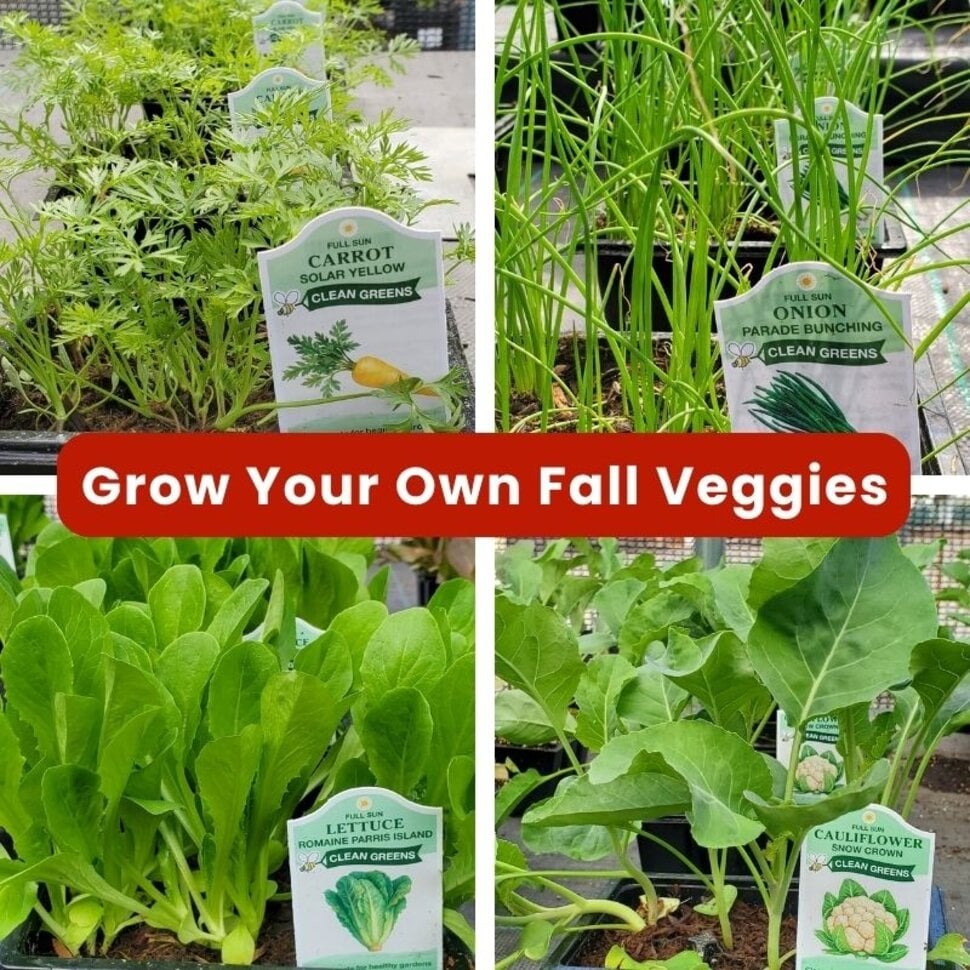
- Leafy greens, root vegetables, cole crops, alliums, and herbs are the stars of the East Bay fall garden.
- Refresh tired summer soil with compost and a vegetable fertilizer before you replant.
- Shorter days mean plants grow more slowly and need less water, so it's time to adjust your irrigation timer.
- Cooler fall temperatures naturally ease pest pressure, making this one of the easiest seasons to garden organically.
If you've never grown a fall vegetable garden before, late summer and early fall are the easiest time to start. East Bay gardens shift gears this time of year, trading tomatoes and peppers for leafy greens, root vegetables, and other cool-season crops. Whether you're tending raised beds year-round or growing herbs and salad mix in a few patio pots, fall brings a more relaxed pace to edible gardening and a fresh round of homegrown flavor.
The Best Vegetables to Plant This Fall
Our mild Bay Area climate (USDA Zones 9a-10a) is forgiving, and most cool-season crops can go in the ground from now through October. Here are our top picks for a productive fall harvest.
Leafy Greens
Lettuce, arugula, kale, collards, spinach, and Swiss chard are nutrient-dense, quick to establish, and harvestable for weeks. Grow them from seed, or get a jump start with seedlings. Stagger your plantings every couple of weeks for a continuous supply of salad greens and tender sautés.
Root Vegetables
Carrots and beets do best in most gardens as starts, while radishes and turnips grow quickly from seed. All of them love cooler soil and often turn sweeter as temperatures drop, then slow their growth and hold in the ground until you're ready to harvest.
Cole Crops (Cruciferous Vegetables)
Broccoli, cauliflower, cabbage, and Brussels sprouts need more room between plants and more time to mature than other cool-season crops, especially as days shorten. We recommend planting these from starts rather than seed.
Culinary Tip: Harvest a few side leaves for cooking while you wait for the main heads to size up.
Alliums
Green onions, leeks, garlic, and bulb onions can go in from seed or starts over the next several weeks. Green onions mature quickly enough to enjoy this fall, while the rest of the allium family will overwinter and harvest next spring or summer. Hold off on planting garlic and onion seedlings until after October 15. See more about growing Alliums in our related blogs.
Herbs
Cilantro, chives, parsley, sage, rosemary, and thyme are best planted from starts now, so they can establish before winter. They thrive in cooler weather and bring bright, fresh flavor to fall cooking.
Fall Soil Prep: Feeding Tired Summer Beds
Your soil worked hard all summer, especially if you grew heavy feeders like tomatoes or squash in the same bed. Before replanting, clear out spent plants and any diseased material rather than composting it, then work in a couple of inches of good compost to replenish nutrients. The UC Master Gardener Program of Alameda County also recommends testing your soil this time of year so you know exactly what your fall and winter crops need.
A liquid drench of fish emulsion and kelp right after transplanting gives new starts a gentle boost, and a balanced vegetable fertilizer like E.B. Stone's keeps plants fed as they mature. One note from local gardening writers at Alameda Backyard Growers: more isn't better with soil amendments, since overdoing manure or fertilizer can throw off your soil's balance and stunt growth. Follow label directions and feed lightly and often rather than all at once.
Watering Wisely as the Days Shorten
Fall's cooler days can be deceiving. Many crops, our vegetable plants included, slow their growth considerably once daylight drops below about ten hours, so it's a good time to dial back irrigation timers rather than water on a summer schedule. Don't let the soil dry out completely, though, especially while seedlings establish or during a late-season warm spell. Check that drainage is clear and downspouts are open before the rainy season, so planting areas don't ever sit in standing water once fall rains begin.
Natural Pest Control for the Cool Season
Pest pressure generally drops as temperatures cool, one of the best reasons to garden in fall. While it's still warm, beneficial insects like ladybugs help knock back aphids before they go dormant. Keep an eye on cole crops, though: broccoli, cabbage, cauliflower, and kale are all susceptible to cabbage looper caterpillars, which can strip young seedlings quickly. Hand-pick the pests, use floating row covers, and inspect regularly to protect your fall brassicas without a single spray.
Small Spaces, Big Harvests
Containers and small raised beds can still deliver a generous fall harvest.
- Choose containers with good drainage. Pots, window boxes, wine barrels, and repurposed buckets all work, as long as excess water can escape.
- Use quality potting soil. A good potting mix such as E.B. Stone EarthFirst or Fox Farm Happy Frog retains moisture and delivers the nutrients container-grown vegetables need
- Amend beds with quality garden soil and compost. A raised bed mix helps rebuild nutrients and structure fast in a new or tired bed.
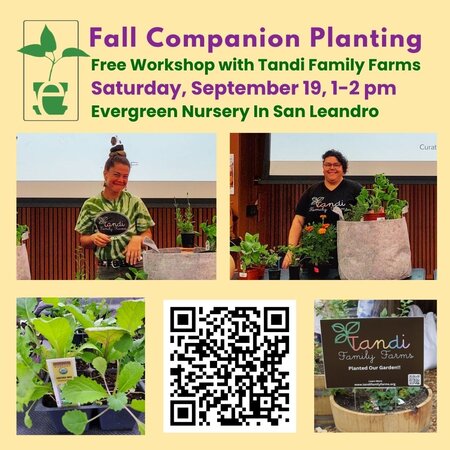
- Pair plants that help each other. Interplanting quick radishes with slower carrots, or tucking herbs among your veggies, improves pest control and makes the most of limited space. We've been working with Tandi Family Farms, a local San Leandro farm with hyper-local vegetable growing know-how, and they'll be presenting regularly at Evergreen Nursery in the coming months. Stay tuned to our blog and social posts for details.
FAQ
When should I switch from summer to fall vegetables in the East Bay? Late August through late September is the sweet spot for most East Bay gardens, though many cool-season crops can still go in through October.
Do I need to worry about frost here? Our East Bay microclimates rarely see hard frost, so most fall vegetables face little frost risk.
Should I start fall vegetables from seed or from starts? Fast growers like lettuce, radishes, spinach, and green onions do well from seed. Slower crops like broccoli, cauliflower, cabbage, and Brussels sprouts get a more reliable harvest from starts.
How do I protect cole crops from pests without spraying chemicals? Regular inspection and hand-picking catch cabbage loopers early, and a lightweight floating row cover keeps them off your plants entirely.
What should I do with my summer bed before replanting? Clear out spent plants, work in a couple of inches of compost, and feed lightly with a balanced vegetable fertilizer as new plants establish.
Can I still grow vegetables in a small yard or containers? Absolutely. Good drainage, quality potting soil, and a little companion planting go a long way in pots, window boxes, and small raised beds.
Enjoy the Season
Fall vegetable gardening lets you nurture edible plants at a more leisurely pace than the spring rush. Whatever you grow, from leafy greens to alliums that carry into next summer, you're setting up some special cool-season meals ahead.
Stop by our San Leandro garden center and let our plant-loving staff help you pick the right vegetables, soil, and supplies for your fall garden. Happy Growing!
This Article Was Updated 9.17.26
Stace Brewer, Evergreen Nursery Help Desk
Recent articles
View all
Art, Plants & Community: Fall ArtFest at the Nursery Sept 26 & 27
Fall Companion Planting Workshop with Tandi Family Farms