
Plant Narrow Leaf Milkweed in Fall for East Bay Monarchs
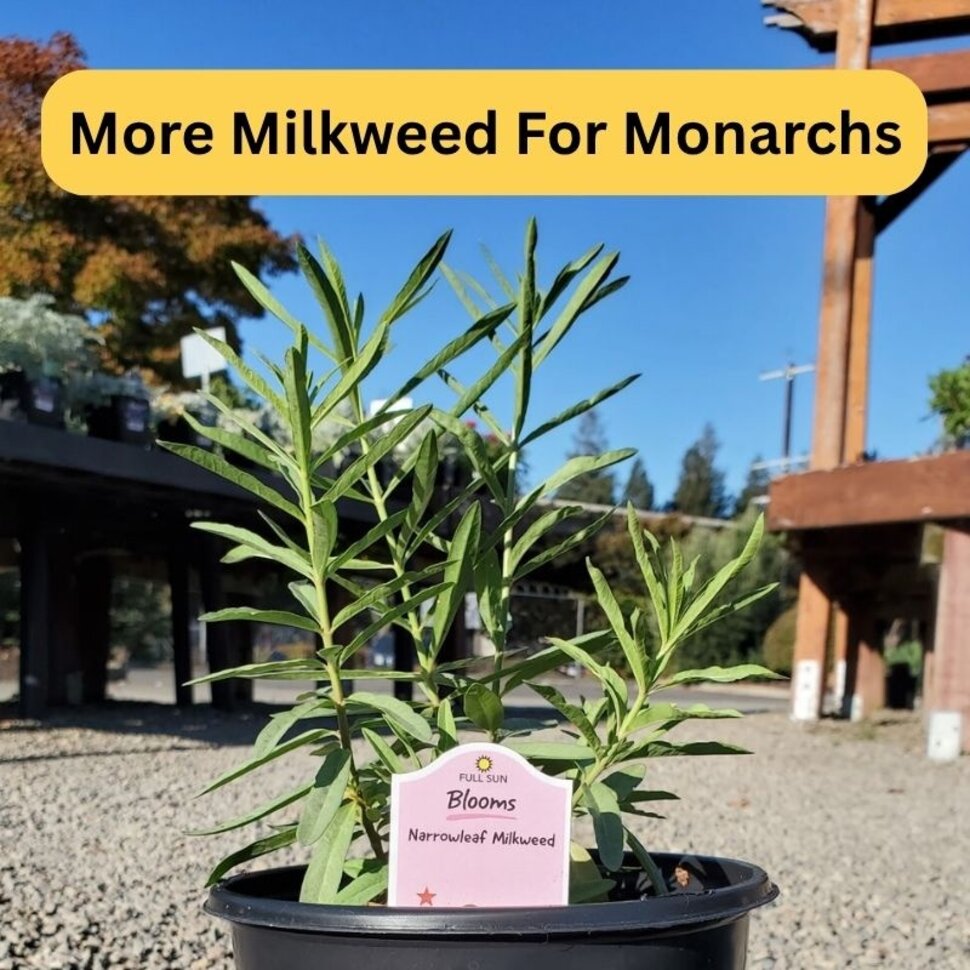
Key Takeaways
- Fall is a great time to plant Narrow Leaf Milkweed (Asclepias fascicularis) in the East Bay. Cool weather and winter rain help roots settle in before spring.
- By late fall your milkweed will look "dead." Yellow leaves, tan stems, and split seed pods are normal winter dormancy, not a planting fail.
- Fresh shoots return from the roots as the weather warms, giving Monarchs leaving the San Leandro, Hayward, and Alameda overwintering groves something to lay eggs on.
- Plant at least 1 mile from a known Monarch overwintering site. The older "5 miles" guidance is still all over the internet, but it no longer reflects current Xerces Society advice.
- If your milkweed is still green and leafy by late November, cut it to the ground so it doesn't tempt Monarchs to breed in winter.
- This season's crop of Milkweed is Evergreen Grown, raised here at our San Leandro nursery.
Western Monarchs are settling into the eucalyptus groves along the bay shoreline for winter, and our benches are full of Evergreen Grown Narrow Leaf Milkweed. Last spring we rounded up local resources in Monarchs and Milkweed in Your San Leandro Garden. This time we're covering the part of the milkweed year that never makes it onto Instagram: planting, dormancy, and the spring wake-up.
Why Narrow Leaf Milkweed Is the East Bay's Go-To Monarch Plant
Monarch caterpillars eat only milkweed, so no milkweed means no next generation. Of California's native milkweeds, the Xerces Society points gardeners toward Narrow Leaf and Showy Milkweed because they adapt to the widest range of conditions and are easy to find in nurseries, as UC Master Gardeners in Los Angeles County explain.
According to the UC Davis Arboretum, Narrow Leaf Milkweed grows about 3 feet tall and wide, with whorls of slim leaves and rosy-white flower clusters from late spring through summer. It handles a range of soils, spreads by seed and underground runners, feeds bees and butterflies, and needs only low to moderate water once established.
How Far From Monarch Overwintering Sites Should You Plant Milkweed?
This is the question we get most. Milkweed near an overwintering grove can lure Monarchs into breeding in winter instead of resting. The Monarch Joint Venture explains that if that milkweed then goes dormant or gets overwhelmed by eggs, the caterpillars can starve.
Current guidance is to plant milkweed at least 1 mile from a known overwintering site. The Xerces Society's Priority Action Zones in California for Recovering Western Monarchs fact sheet discourages planting milkweed at or right next to overwintering groves, and offers 1 mile as a simple rule of thumb (see page 2). The Monarch Joint Venture uses the same distance, and a Xerces Society biologist confirmed it for us directly.
So where does "5 miles" come from? Older Xerces fact sheets advised against milkweed within 5 miles of the coast north of Santa Barbara, and those PDFs are still widely shared. The same fact sheet also suggests that if you live close to a grove, plant nectar flowers that bloom in fall, winter, and spring instead, since Monarchs need nectar while they're overwintering.
Pro Tip: Not sure how close you are? Use the Western Monarch Count overwintering site map to find the groves nearest you in San Leandro, Hayward, and Alameda, then check the distance from your yard.
How to Plant Narrow Leaf Milkweed in Fall
UC Marin Master Gardeners note that fall planting means cooler temperatures, less transplant shock, and a full rainy season to help roots grow. Get it in the ground, too: the USDA plant guide notes potted milkweeds often fail to re-emerge in spring.
Pick a Sunny Spot
Full sun is best, though light afternoon shade works.
Check Your Drainage
It tolerates many soils, but soggy roots all winter can still cause trouble, so run a quick drainage test first. Our El Niño garden prep guide walks you through it.
Plant in Groups
Plant several milkweeds close together. UC Master Gardeners in San Luis Obispo explain that caterpillars drop to the ground when threatened and have an easier time climbing back up into a dense clump.
Water In and Mark the Spot
Water well at planting and during dry spells until the rains take over. Then add a plant label so you don't dig it up by accident in February.
What Narrow Leaf Milkweed Looks Like When It Goes Dormant
As days shorten, the leaves turn yellow, the stems fade to tan or brown, and the seed pods split open to release silky, wind-blown seeds. UC Marin Master Gardeners describe this as the plant going dormant after setting seed, then returning in spring.
It looks dead. It isn't. The roots are resting underground, and the UC Davis Arboretum recommends cutting stems to the ground once the leaves die back. Orange oleander aphids are common late in the season; the Arboretum notes they don't harm the plant, so skip the sprays and use the hose.
Cut It Down if It Won't Go Dormant by Late November
Here's where East Bay microclimates matter. In mild bayside yards, especially warm, sheltered, irrigated spots, milkweed sometimes stays green well into winter. When we checked with Irene Beebe of the UC Master Gardener Program of Alameda County, her advice was clear: if your milkweed hasn't gone dormant by late November, cut it down so it won't distract returning Monarchs. Research backs this up: a 2025 field study poster comparing coastal and inland gardens found Narrow Leaf Milkweed near the coast kept partially growing through winter, with caterpillars present, while inland plants went fully dormant.
Want to go deeper? Irene's Gardening for Monarchs talk, which we sponsored at the San Leandro Library this past April, is a great resource for East Bay gardeners looking to support Monarchs year-round. Check out her slide deck and resource sheet.
Pro Tip: Put a reminder on your calendar for Thanksgiving week. If your milkweed is still leafy, cut the stems to the ground. Wear gloves, since the milky sap can irritate skin.
How Narrow Leaf Milkweed Re-Emerges for Monarchs in Spring
When the weather warms, new shoots push up from the roots right where last year's stems stood. Timing depends on your microclimate, so a sunny south-facing bed may wake up weeks before a shady one.
Narrow Leaf isn't the earliest riser in the milkweed family, and that's okay. The Xerces Priority Action Zones fact sheet notes that early-season species like California and heartleaf milkweed emerge between January and March, while Narrow Leaf is one of the widely distributed species that's easy to find and grow across the state. Its fresh spring growth carries the next generations of Monarchs as they spread out from the coast to breed.
To support Monarchs while your milkweed wakes up, pair it with nectar plants that bloom in late winter and early spring. Browse our California Natives for options.
Frequently Asked Questions
When is the best time to plant milkweed in the East Bay?
Fall is ideal, since cool weather and winter rain help roots establish. Spring planting works too, with more watering the first summer.
Is my milkweed dead or just dormant?
Most likely dormant. Yellow leaves, brown stems, and empty pods in fall are normal. Wait for new shoots in spring before giving up on it.
Should I cut back Narrow Leaf Milkweed in winter?
Yes. Cut dead stems to the ground once it goes dormant, and cut it down anyway if it's still green by late November.
Is milkweed safe around dogs and cats?
No. The ASPCA lists milkweed as toxic to dogs, cats, and horses. Plant it where curious pets won't chew on it.
What should I do with tropical milkweed?
Replace it with a native milkweed. Tropical milkweed (Asclepias curassavica) doesn't go dormant in our mild winters and lets a Monarch parasite build up on the plant, so the Xerces Society recommends against planting it.
Plant for Monarchs With Evergreen Nursery
Stop by our San Leandro nursery and garden center at 350 San Leandro Blvd to pick up Evergreen Grown Narrow Leaf Milkweed while it's here. Our plant-loving staff are happy to help you choose a sunny spot, check your distance from the groves, and pick nectar plants to round out your Monarch garden.
Happy Growing!
We Are Open daily 9:30–5:30 | 350 San Leandro Blvd, San Leandro
Recent articles
View all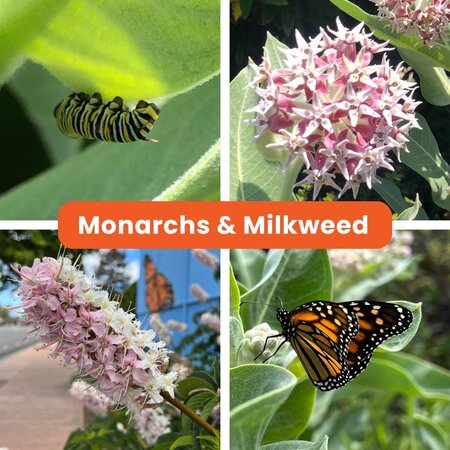
Monarchs and Milkweed in Your San Leandro Garden

Native Plant Extravaganza at Evergreen Nursery in San Leandro