A San Leandro Monarch Butterfly Story
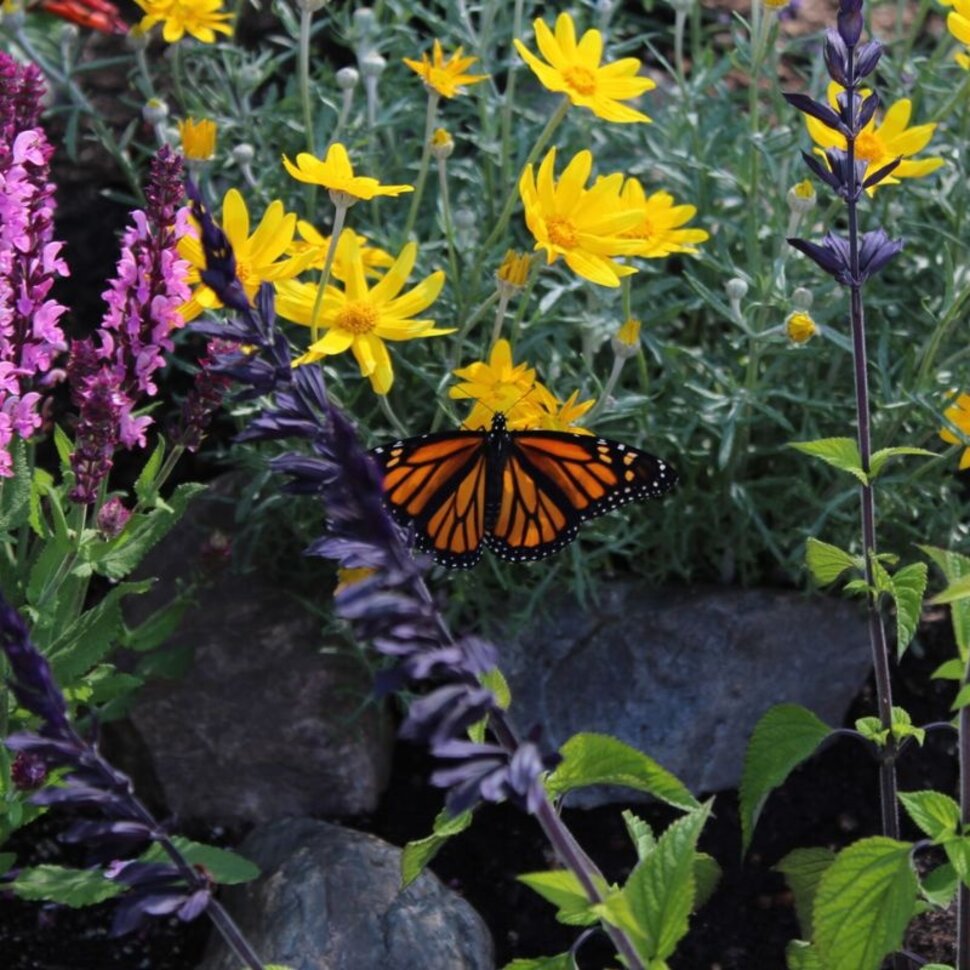
During April and May 2026, we shared a lot of information about our local Western Monarch butterflies plus the native Milkweed plants that support them. This was part of a special project with the San Leandro Public Library to promote their exhibit "Monarchs & Milkweed: A Story Of Survival", which ends on May 30, 2026. All the resources and links that we collected about this important ecological topic will remain on this page of our website.
We are grateful to our many collaborators in this community project including: Our friends at Homegrown Habitats San Leandro, especially Stefanie Pruegel; The San Leandro Butterfly Garden's chief steward, Lary Huls; The City of San Leandro, especially Kimberly Anderson; ALL of the San Leandro Public Library staff, especially Kelly Keefer; the Xerces Society's conservation biologist Isis Howard; and our local Alameda County Master Gardener, Irene Beebe.
We hope you enjoy this short story that shows how to support these beautiful and iconic creatures in your own outdoor space.
From Our Nursery to Her Patio: One Milkweed Plant Makes a Difference
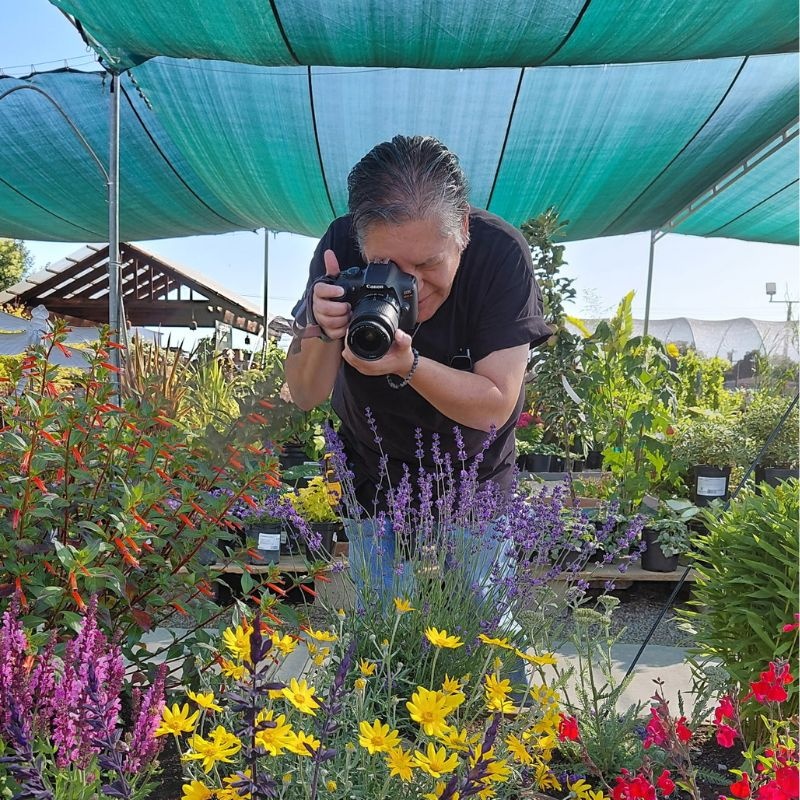
Meet Brenda Pineda. She works here at Evergreen as our store supervisor and is one of our cashiers. If somebody picks up your phone call, it's often Brenda. You'll also see her shooting pictures around the nursery as our main photographer.
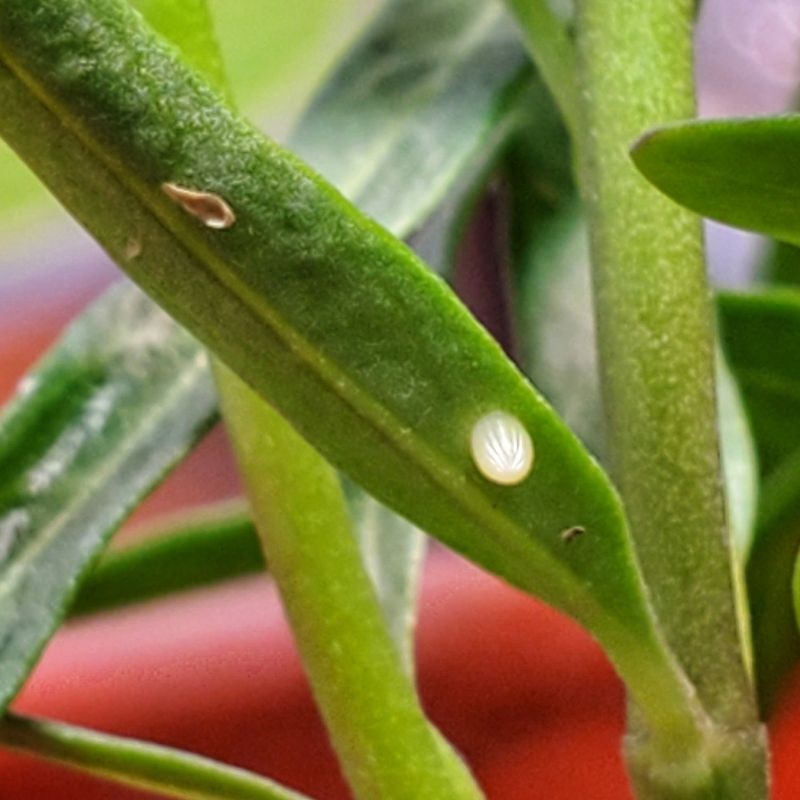
Brenda took home one of our California Native Narrow Leaf Milkweed plants earlier this spring. She San transplanted it into a large pot on her San Leandro patio. Soon after, she noticed a few small white eggs on the leaves.
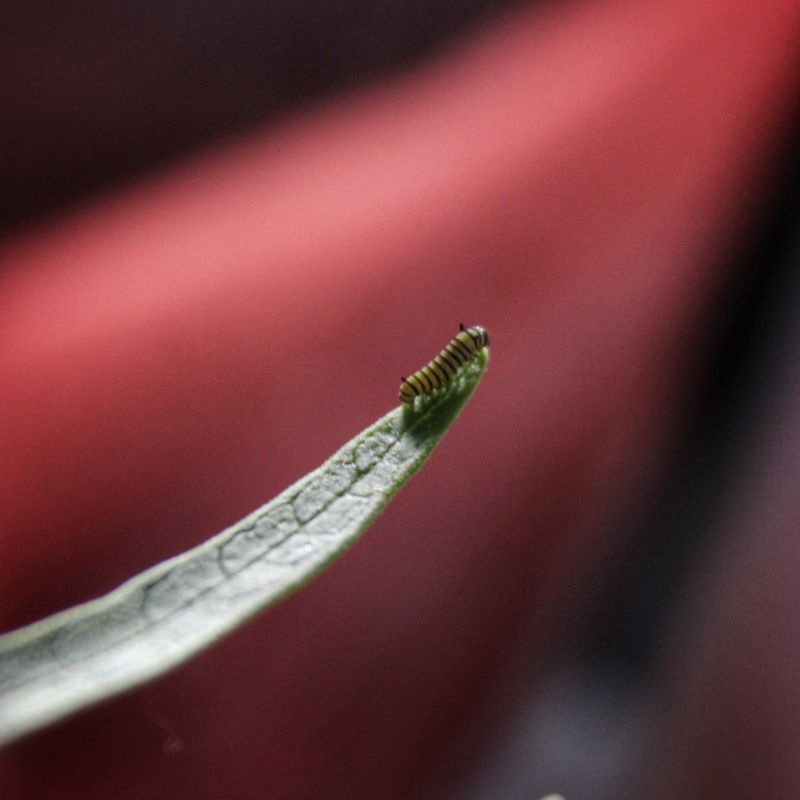
Within days a baby Monarch Caterpillar emerged. Based on the timing, we think the eggs were perhaps deposited by a female Monarch while the plant was still at our nursery. But only the mama butterfly knows for sure.
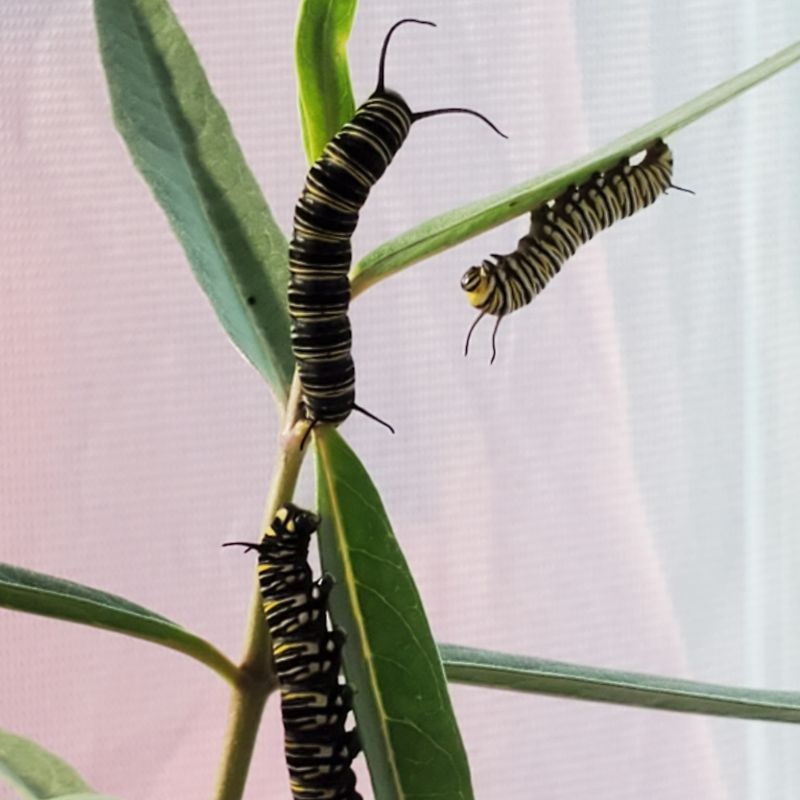
Soon there were multiple caterpillars on Brenda's milkweed plant--and they were Very Hungry. They began to devour all the leaves with only the stems remaining. (This is okay and does not harm the plant; it will recover and regrow.)
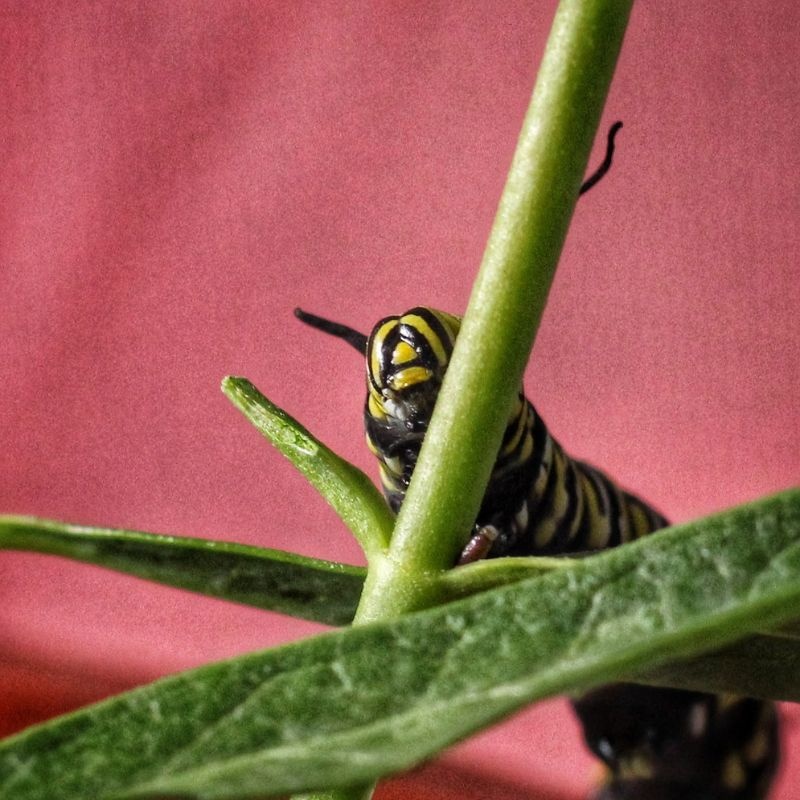
Brenda brought the caterpillars more Milkweed plants to munch on so they could grow to their full size and enter their next stage of metamorphosis.
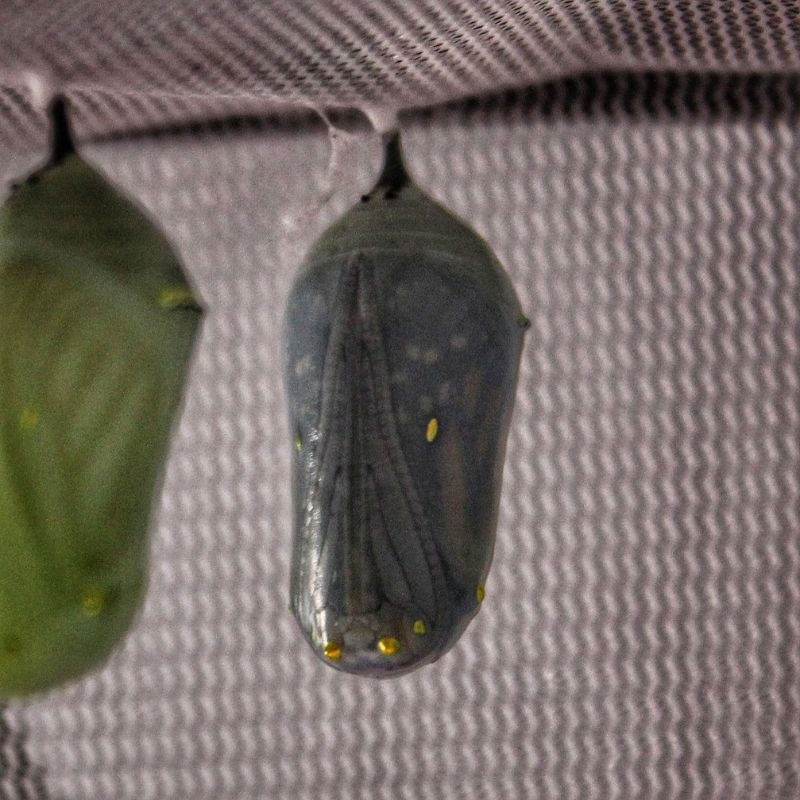
The Magic of Metamorphosis
Soon the mature caterpillars formed their chrysalises on the ceiling of a small mesh enclosure that Brenda purchased from a butterfly habitat website. This gave the Monarchs a protected space where they were undisturbed by other critters, including Brenda's cats and curious little dog.
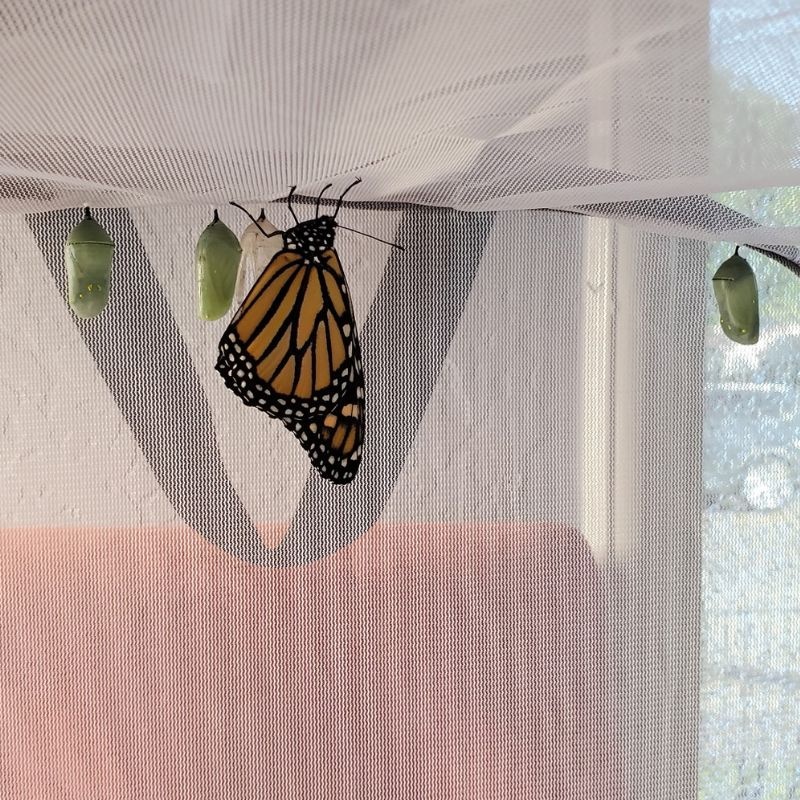
After two weeks the first Monarch Butterfly emerged! Brenda made plans to safely transport it to the nursery so she could release it into our new Pollinator Garden.
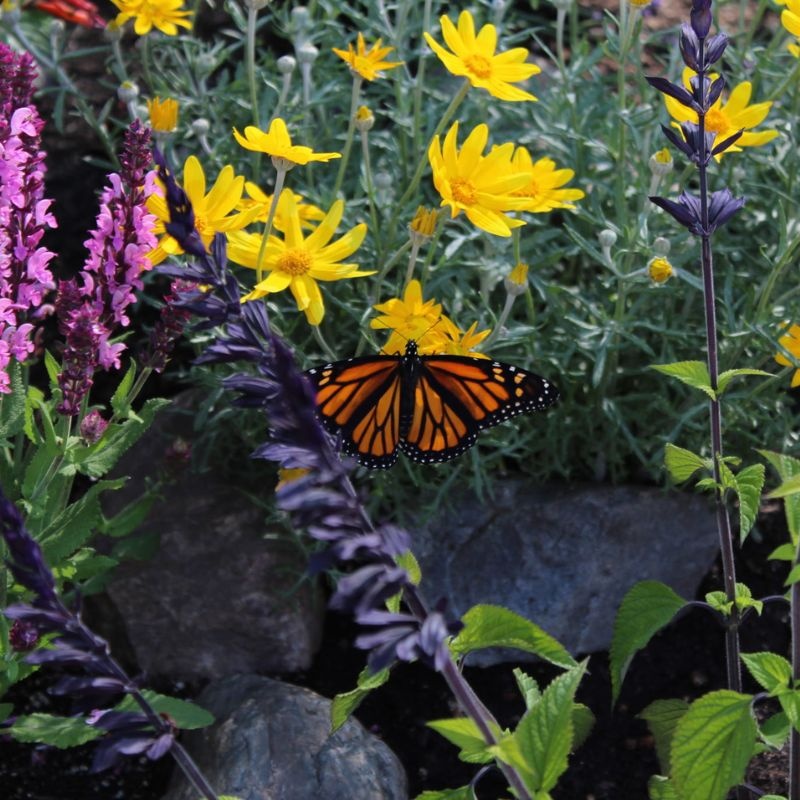
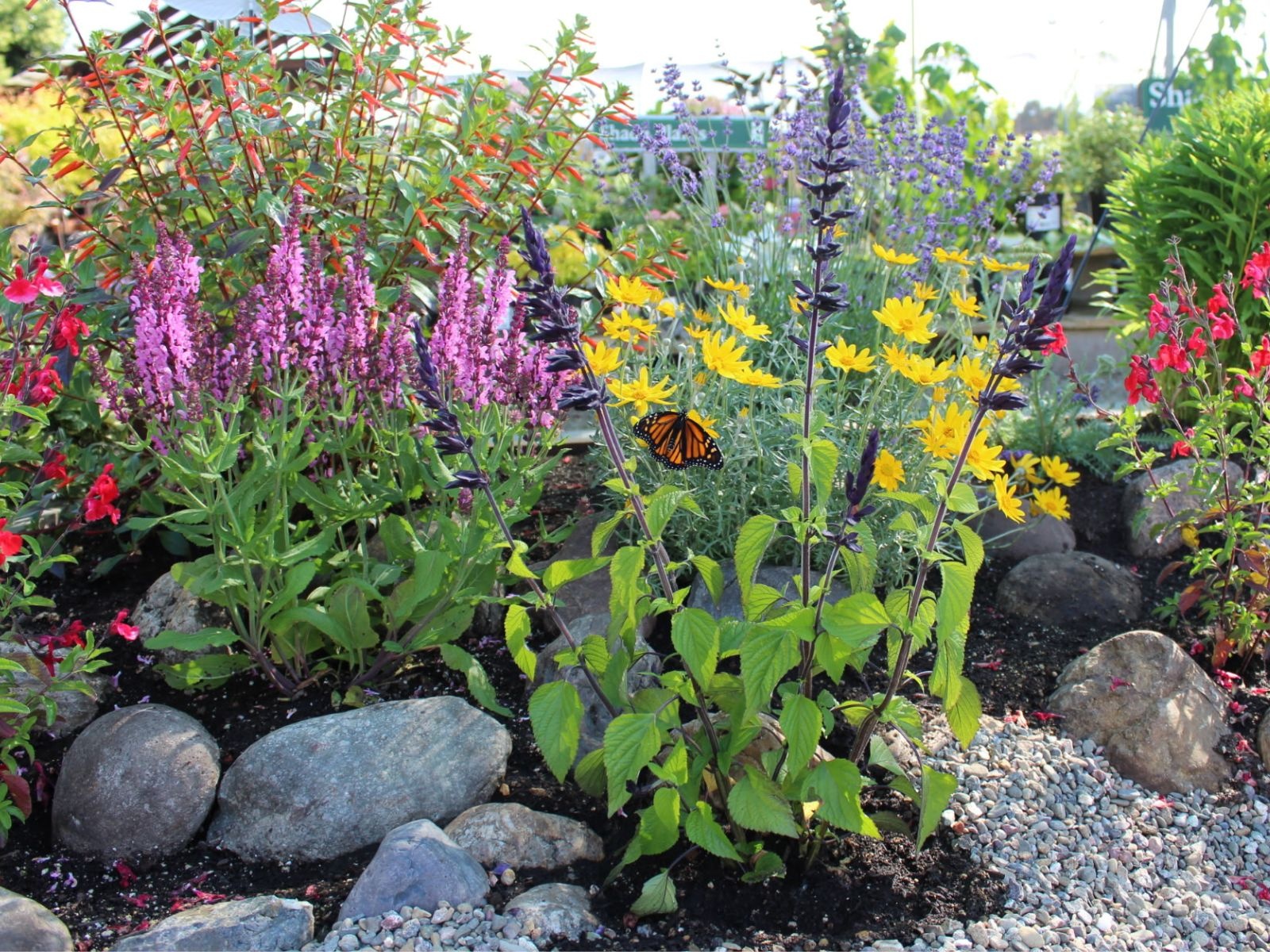
The young butterfly was placed in the garden on Saturday, May 16th. Many pictures were taken before it took flight.
What we've learned during the past few months from all the Monarch experts is that this generation of butterflies will live for several weeks as they make their way east. Then they will reproduce and their mission will be done.
There will be a few more successive generations as the Monarchs continue traveling towards the Rockies. But the final Super Generation will not reproduce right away.
They'll use all their energy to fly back in the Fall to the coastal California areas where they can enter winter dormancy together in sheltered spots like the eucalyptus grove at the San Leandro Golf Course. After dormancy ends in late winter/early spring, they'll leave the grove in search of local Milkweed to lay their eggs--and the migratory cycle will begin all over again.
Plant Milkweed Now and Keep the Cycle Going
You can still plant Narrow Leaf Milkweed (Asclepius fascicularis), or the much taller and thicker Showy Milkweed (Asclepius speciosa), to help any remaining caterpillars who may be emerging in your garden. These hardy plants are perennials that die back in winter and re-emerge in early spring. Plant them now and you will help provide critical reproductive habitat for future generations of our local Monarch population.
Happy Pollinator Gardening from all of us at Evergreen Nursery in San Leandro!
Photos courtesy of Brenda Pineda and Noelle Henderson.
Recent articles
View all
Native Plant Extravaganza at Evergreen Nursery in San Leandro

Fall Container Gardening in the East Bay: Cool-Season Veggies, Herbs, and Pollinator Plants