Prepare Your East Bay Garden For Winter Weather

Winter in the San Francisco East Bay is generally mild, but that doesn’t mean our gardens can fend for themselves. Sudden cold snaps, heavy rainstorms, and occasional frosty nights create significant stress—especially for citrus trees, succulents, tropicals, and tender young transplants. A little preparation now with the right garden accessories and gardening tools can protect your plants and improve soil health. This will set your garden up for a strong spring season.
Watch the Weather & Act Early
In places like San Leandro, Oakland, Alameda, Castro Valley, and Hayward, winter damage is usually caused by short periods of cold combined with wet soil rather than prolonged freezing. Keep an eye on local forecasts and be ready to act when nighttime temperatures dip into the high to mid-30s.
Cold damage often happens overnight, so protecting your plants at least several hours before a cold spell hits is far more effective than reacting afterward.
Protecting Citrus Trees & Tender Plants from Frost
Citrus trees, bougainvillea, succulents, and other frost-sensitive plants are most vulnerable during clear, cold nights. Even one true frost can damage leaves, flowers, stems, and young fruit.
Best Practices & Garden Accessories for Frost Protection
-
Cover plants before sunset using special lightweight & re-useable frost blankets.This unique gardening tool is designed to protect your cold-sensitive plants. In a pinch, you can also use old sheets or very lightweight fabrics.
-
Avoid using plastic sheeting as it can trap cold moisture and damage leaves.
-
Water soil lightly before a freeze because moist soil holds heat better than dry soil.
-
Mulch a few inches high around the base of citrus trees and tender shrubs, keeping the mulch a few inches away from the trunk. Your ring of mulch should have the shape of a large fluffy donut.
-
Group container plants together and move them closer to buildings or fences for added warmth. If rainy weather is expected to be extreme and windy, consider moving plants into a more fully protected area.
-
Remove frost covers during the day once temperatures rise above freezing to prevent overheating and excess moisture condensation.
Manage Heavy Rain and Drainage
Winter rain is essential, but saturated soil can suffocate roots and encourage disease. Make sure patio containers have open drainage holes and are not left in saucers of standing water.
If water pools in your garden planting areas, you can improve drainage over time by amending the soil with organic matter such as wood chip mulch, organic compost, and tiny drainage rocks, or by planting on slightly raised mounds. Avoid walking on wet soil, which compresses air pockets that plant roots rely on for health and nutrient exchange.
Organic Mulch: Your Winter Garden MVP
Mulches derived from natural organic sources, such as bark fines, compost, shredded leaves, or wood chips, are one of the most effective gardening tools for protecting your plants during winter and building your soil's water carrying capacity.
Benefits of Organic Mulch
-
Insulates soil from temperature swings
-
Reduces both compaction and erosion during heavy rains
-
Suppresses winter and early spring weeds
-
Improves soil structure as it slowly breaks down
Apply 2–4 inches of organic mulch around trees, shrubs, perennials, and vegetable beds. Keep mulch pulled back from stems and trunks to prevent rot. Form the ring of mulch around any of your plants into the shape of a fluffy donut.
Avoid piling mulch into a volcano shape that mounds upward and touches the plant's surface areas. This will create conditions for rot and fungal disease problems.
Pruning and Cleanup: Less Is More
Avoid heavy pruning after severe winter weather events. Frost-damaged growth can help protect plants during ongoing cold weather, so wait until late winter or early spring to prune.
Focus instead on removing fallen leaves from hardscapes and lawns, while leaving healthy leaf litter in garden beds where it can act as natural mulch.
We’re Here to Help
Every garden has its own microclimate and challenges. If you need help choosing bulk mulch, or selecting winter garden accessories and gardening tools, stop by our San Leandro garden center and talk with our knowledgeable staff. We’re here to help keep your East Bay landscapes thriving all year long.
Recent articles
View all
Native Plant Extravaganza Featuring Homegrown Habitats San Leandro
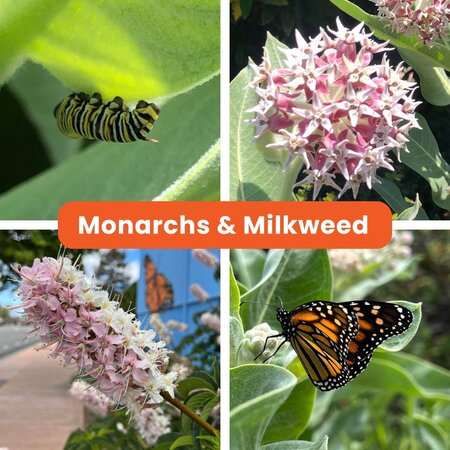
Monarchs and Milkweed in Your San Leandro Garden