How To Grow Onion Transplants in Your East Bay Garden
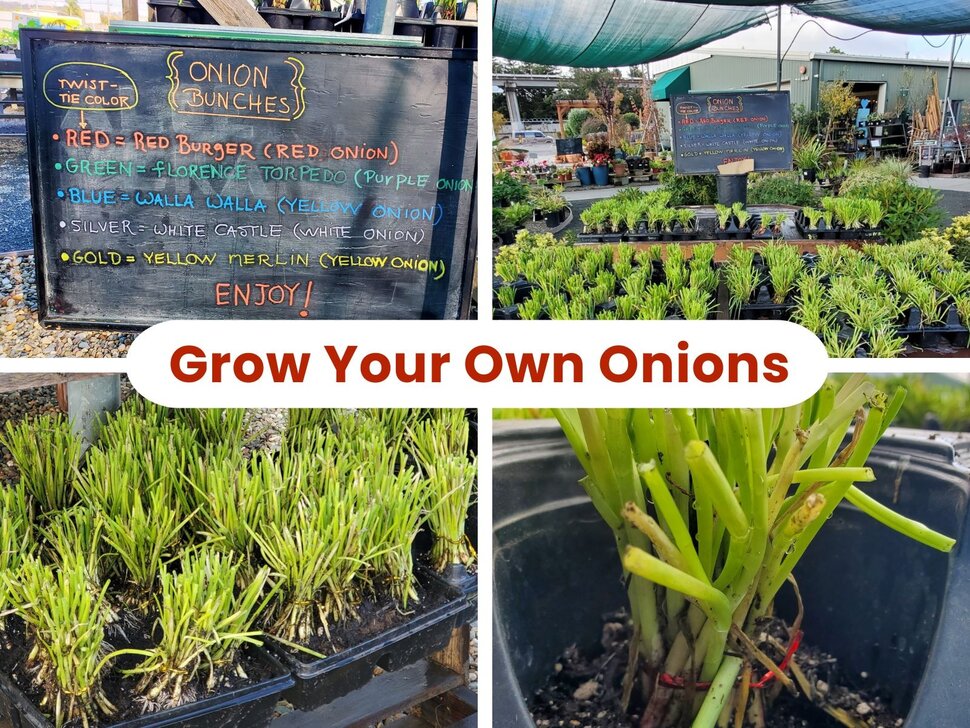
Late fall is the perfect time for East Bay gardeners to plant onion transplants—also known as onion “starts.” These small seedlings are already past the tricky germination stage, making them easy to grow for gardeners of all experience levels.
Intermediate-day onion varieties thrive in our mild coastal climate, developing large bulbs as daylight hours increase through spring. With a little preparation and care, your late-fall planting will yield healthy, flavorful onions ready for harvest in late spring and early summer.
Why Intermediate-Day Onions Are Ideal for the Bay Area
Onion growth is triggered by day length. Short-day types bulb up too early for our region, while long-day types need more daylight than the Bay Area provides. Intermediate-day onions, however, begin forming bulbs when daylight reaches about 12–14 hours—right in sync with East Bay spring conditions. This makes them the most reliable choice for home gardens in San Leandro, Oakland, Castro Valley, Alameda, San Lorenzo, Hayward and other cities in Alameda county.
When and How to Plant Onion Starts
Plant onion starts from late October through early December. The young plants will establish strong roots during the cool months and begin bulbing as the days lengthen in spring.
Choose a sunny location that receives at least 6 hours of direct sunlight daily. In-ground beds or raised planters both work well, as do large containers at least 12 inches deep.
Space transplants approximately 4 inches apart in rows that are at least 12 inches apart, setting each start so the white base and its roots are just below the soil surface. Avoid planting too deeply, which can slow growth and bulb formation.
Soil Preparation and Fertilizing
Onions prefer loose, well-draining soil rich in organic matter. Heavy clay soils common in many East Bay neighborhoods benefit from amending with Evergreen Nursery’s Bulk Organic Compost or EB Stone Soil Booster to improve aeration and fertility. A soil pH between 6.0 and 7.0 is ideal.
Before planting, mix in a balanced organic fertilizer such as EB Stone Sure Start 4-6-2 to aid transplant. Onions are heavy feeders—especially for nitrogen, which promotes leafy growth before bulbing begins. Side-dress with additional fertilizer such as EB Stone Vegetable Food every 3–4 weeks through March.
Watering and Mulching
Consistent moisture is key. Water thoroughly after planting and keep the soil evenly moist—but never soggy—throughout the growing season. Deep watering once or twice per week is usually enough during cooler months, increasing as temperatures rise in spring.
A light mulch of straw, shredded leaves, or compost helps conserve moisture, suppress weeds, and keep the soil temperature stable. Avoid thick mulch layers such as bark or wood chips that stay wet and may encourage bulb rot.
Growing Onions in Containers
For small-space gardeners or renters, onions grow beautifully in containers or half barrels. Use a high-quality potting mix such as Evergreen Nursery’s Bulk Home Harvest Organic Planters Mix or Fox Farm Ocean Harvest Potting Soil and be sure your container has good drainage.
Place the pot in a sunny spot and water as needed to keep the soil evenly moist. Fertilize monthly with a water-soluble organic fertilizer such as EB Stone Liquid Plant Food to support steady growth.
Pest and Disease Tips
Onions are generally low-maintenance, but keep an eye out for thrips—tiny insects that cause silvery streaks on leaves. A blast of water or an application of insecticidal soap usually takes care of them. Practice crop rotation and avoid planting onions where garlic, leeks, or other alliums grew the previous year to reduce disease risk.
Harvest and Storage
Your onions will be ready to harvest when the tops begin to yellow and flop over in late spring or early summer. Gently lift bulbs from the soil, gently brush off any debris, and let them cure in a warm, dry, well-ventilated and shady spot for about two weeks before trimming and storing. Many gardeners create ingenious drying racks for the short term function of curing onions.
Sweet varieties like ‘Walla Walla’ are best enjoyed fresh, while firmer yellow or red types can be stored for several months.
Recommended Onion Varieties Available at Evergreen Nursery
All five of these intermediate-day onion varieties grow well in East Bay gardens when planted in late fall and harvested in summer:
- ‘Red Berger’ – A crisp, mildly sweet red onion that adds color and flavor to salads and grilling. Good storage life for a red variety.
- ‘Yellow Merlin’ – High-yielding yellow onion with firm bulbs and excellent storage quality. Great all-purpose kitchen onion.
- ‘White Castle’ – Pure white bulbs with mild, sweet flavor—perfect for fresh salsas, sandwiches, and sautéing.
- ‘Florence Torpedo’ – A distinctive Italian heirloom with long, tapered pink-purple bulbs and a delicate sweetness ideal for roasting.
- ‘Walla Walla Sweet’ – The famous mild, juicy onion from the Pacific Northwest that thrives in the Bay Area’s mild winters. Best eaten fresh and raw.
Top Tips for Success Recap
- Keep weeds under control as they compete for water and nutrients. Mulch will help tremendously in keeping your weeding chores to a minimum.
- Feed regularly for strong growth before bulbs begin forming. Mark your calendar or set reminders so you don’t forget this important monthly task.
- Stop fertilizing and greatly reduce any watering once the tops start to fall over naturally in late spring. If there is too much residual moisture in your soil at this stage, the onion bulbs will become mushy and inedible.
- Allow all your bulbs to dry out thoroughly before storing to prevent rot. Then enjoy cooking with them!
Whether you’re growing a few onions in patio pots or planting a full raised bed for summer harvest, starting with healthy transplants gives you a head start. Stop by Evergreen Nursery in San Leandro to find a wide selection of fall onion starts, garden soils, fertilizers, and mulches suited for East Bay gardeners. Our knowledgeable staff is always happy to share local advice to help your onions and your garden grow beautifully.
Recent articles
View all
How To Choose The Best Roses For Your East Bay Garden
Growing Potatoes In East Bay Gardens: 6 Varieties For Spring Planting