How To Choose The Best Roses For Your East Bay Garden
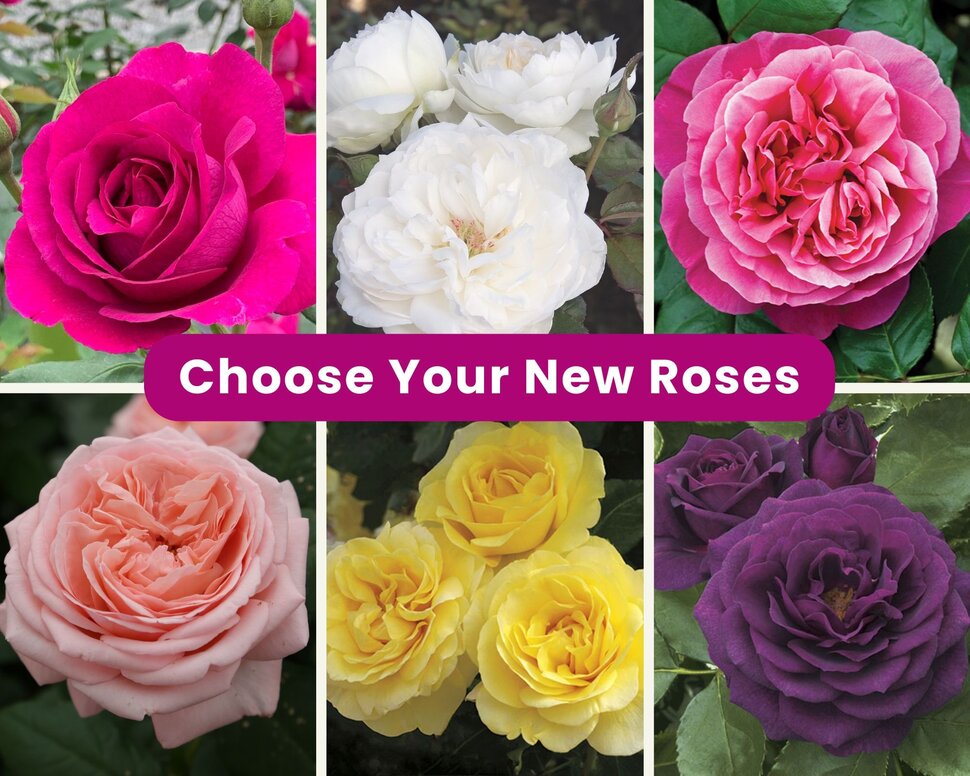
Roses thrive in the mild Mediterranean climate of the San Francisco East Bay and 2026 is shaping up to be a beautiful year for color, fragrance, and repeat bloom. If you’re gardening in San Leandro, Oakland, Castro Valley, San Lorenzo, Alameda, or Hayward, selecting the right rose variety for your outdoor space makes all the difference.
At Evergreen Nursery, we’ve curated a collection of Hybrid Tea, Floribunda, Grandiflora, and Climbing roses that perform reliably in Alameda County gardens. Here’s how to choose the right one for your yard, patio, or large container.
Step 1: Start with the Right Rose Class
Understanding rose classes helps you match plant size, bloom style, and maintenance level to your garden goals.
Hybrid Tea Roses – Classic Long-Stemmed Blooms
Hybrid Tea roses produce the iconic, single large bloom per stem — perfect for cutting and bringing indoors. They typically grow 3–5 feet tall with an upright habit.
Popular for fragrance and form, Hybrid Teas are ideal for gardeners who:
- Want florist-style blooms
- Enjoy cutting roses for arrangements
- Have full sun (6+ hours daily)
Hybrid Tea roses are best for in-ground plantings or very large containers (20"+ diameter) with high-quality potting soil and consistent feeding. Many modern varieties also offer improved disease resistance, which is especially important in coastal-influenced East Bay microclimates.
Floribunda Roses – Continuous Color Power
Floribunda roses bloom in clusters rather than single stems, creating waves of color from late spring through fall. They’re typically more compact (2–4 feet tall) and excellent for smaller yards.
Choose Floribundas if you:
- Want consistent, repeat blooms
- Prefer a lower-maintenance rose
- Need a plant suitable for tighter spaces
Floribundas are best for garden beds, borders, and large patio containers. Their clustered blooms also provide valuable nectar for pollinators when flowers are left to fully open. Many East Bay gardeners appreciate their reliability and strong disease tolerance.
Grandiflora Roses – Height + Abundant Blooms
Grandiflora roses combine the long stems of Hybrid Teas with the clustered bloom habit of Floribundas. They grow taller — often 4–6 feet — and make excellent focal points in landscape beds.
They’re a smart choice if you:
- Want height without committing to a climber
- Need a dramatic backdrop plant
- Have space for a statement shrub rose
Grandifloras perform best planted in the ground where their roots can establish deeply in well-drained soil. This supports their larger size and allows them to flourish year after year.
Climbing Roses – Vertical Beauty
Climbing roses grow upwards on their own, but they don’t cling on their own. They need tying, training, and seasonal pruning to achieve the desired look. But they will reward you with spectacular vertical displays of blooms.
They’re perfect for:
- Fences
- Arbors and trellises
- Garages or sunny walls
- Softening backyard privacy screens
In the East Bay, climbing roses benefit from:
- Full sun exposure
- Strong structural support
- Annual pruning to manage size and encourage blooms
Some climbing roses may grow successfully in very large containers if they are a compact variety and properly supported. But most climbers perform best in the ground where their roots can fully spread, which will help them flourish year after year..
Step 2: Choose Your Rose Form, Bush versus Tree
Beyond rose class, these beautiful plants also come in two primary forms that affect your placement choice and garden design.
Bush Roses (Most Popular & Versatile)
Bush roses are the traditional shrub form, usually pruned to grow in either a more rounded or a V-shaped form. They are the most practical choice for most home gardeners.
Bush roses:
- Fit easily into mixed beds
- Work well in raised planters
- Can be grown in large decorative containers
- Blend beautifully with perennials, salvias, and California natives
For container growing, select:
- A pot at least 18–24 inches wide
- High-quality potting mix (not garden soil)
- Consistent irrigation (especially during summer heat)
- Regular feeding throughout bloom season
Bush roses are the easiest option for gardeners who want flexibility in placement and the ability to blend up their designs. Bush roses are also relatively easy to transplant to a different location in your garden if necessary.
Tree Roses (Dramatic & Architectural)
Tree roses are grafted onto a tall trunk, creating a lollipop-style canopy of blooms at the top.
They’re ideal for:
- Formal entryways
- Flanking walkways
- Creating height in smaller gardens
- Statement containers on patios
Because the root system is more exposed in containers, tree roses require:
- Large, stable pots
- Protection from strong wind
- Reliable watering during hot spells
Tree shaped roses add instant structure and elegance to your outdoor space, especially in smaller East Bay yards where vertical interest is often desired.
Step 3: Match the Rose to Your Microclimate
Alameda County gardens vary significantly depending on coastal influence and afternoon heat.
General guidelines:
- Inland areas (Castro Valley, parts of Hayward): Choose heat-tolerant varieties.
- Cooler areas (Alameda, San Leandro near the Bay): Look for disease-resistant selections that can handle the seasonal fog and extra moisture.
- All locations: Provide at least 6 hours of sun and good air circulation.
For all types of roses: Provide consistent feeding throughout the bloom season, plus a deep and less frequent watering schedule. This will encourage stronger root systems and better repeat flowering in our Mediterranean climate.
Step 4: Planting & Care Tips for East Bay Roses
For best results with any new rose you choose for your garden:
- Plant in well-draining soil amended with organic compost.
- Water deeply, but allow soil to dry slightly between waterings.
- Feed during active growth with a slow-release organic rose fertilizer.
- Prune in late winter (January–February in the East Bay) before new growth begins.
- Avoid overhead watering to reduce fungal issues and also select modern disease-resistant varieties.
- Use an Integrate Pest Management (IPM) approach to pest control and disease control by choosing Fertilome's OMRI listed products.
- Utlize the power of Ladybugs to help knock back common infestations such as aphids in your rose garden.
Visit Our 2026 Rose Collection in San Leandro
Our 2026 rose selection has been curated for performance in East Bay gardens — whether you’re planting a cutting garden, adding patio containers, or training a climber along your fence.
Our knowledgeable garden center staff is always happy to help you choose the right plant for your space, sunlight conditions, and experience level.
Stop by Evergreen Nursery in San Leandro and find your perfect rose for the season ahead.
Recent articles
View all
Native Plant Extravaganza Featuring Homegrown Habitats San Leandro
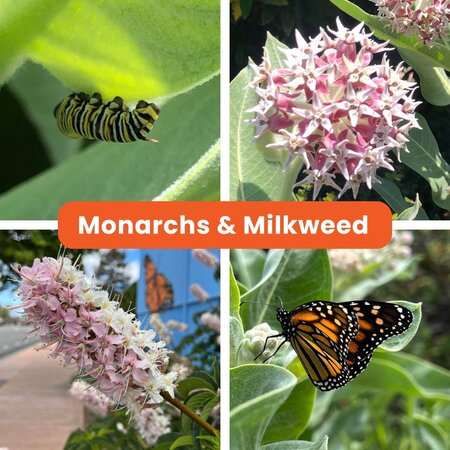
Monarchs and Milkweed in Your San Leandro Garden