Enjoy Fall Vegetable Gardening in the East Bay
Enjoy Fall Vegetable Gardening in The East Bay
Late August and early September is the optimal time to transition East Bay vegetable gardens from heat-loving crops like tomatoes and peppers to cool-season plants like leafy greens and root vegetables. Whether you’re growing year-round in raised beds or cultivating herbs in a few patio pots, fall is also the time to enjoy the more relaxed pace of edible gardening.
The Best Vegetables to Plant This Fall
Fall weather is ideal for veggies that thrive in cooler temperatures. Here are some of our top picks to spice up your meals with fresh, homegrown flavors:
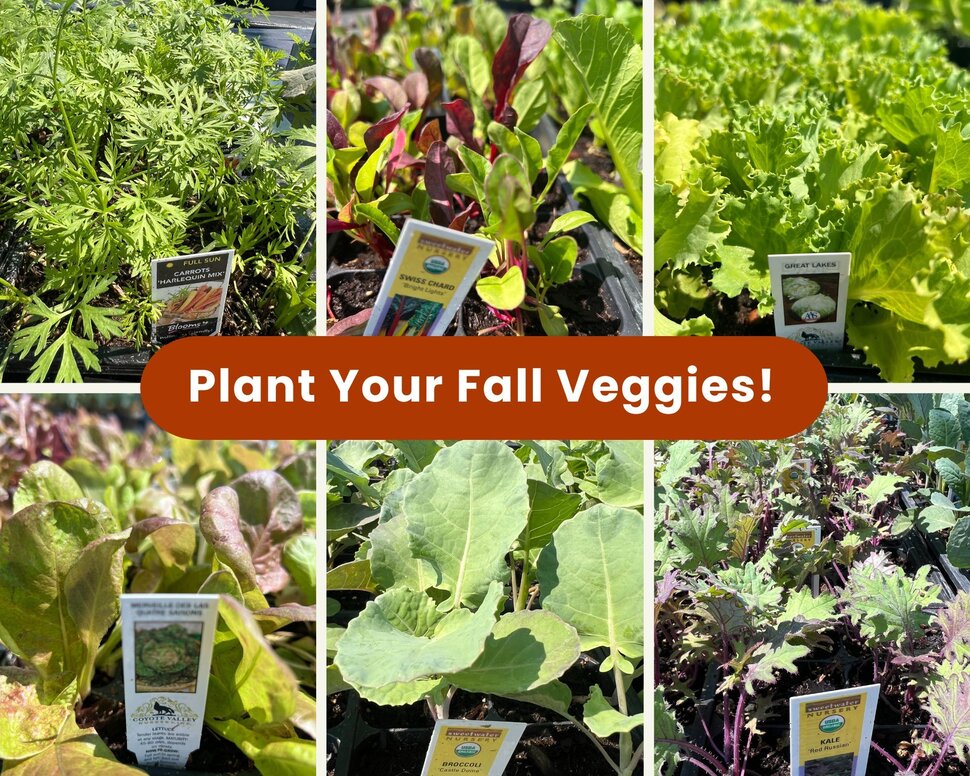
- Leafy Greens: Think all kinds of Lettuces, Arugula, Kale, Collards, Spinach and Swiss chard. These leafy wonders are nutrient powerhouses that can be harvested for several weeks. Plus, they grow quickly from seed or you can use seedling “starts” to get a jump on your season. Pretty soon you'll be making hearty salads and tender sauteed greens for dinner.
- Root Vegetables: Carrots and Beets are perfect for fall planting as starts, while radishes and turnips grow quickly from seed. They all love the cooler soil. As the weather turns chilly, they tend to get sweeter. When winter rolls in, their growth rate will slow down and they can hang out in the soil for a little longer until you’re ready to harvest.
- Cruciferous Vegetables: Broccoli, Cauliflower, and Brussels Sprouts are the superstars of autumn gardening. Because of their size, they require more space between plants. They will need several weeks longer to mature than other fall veggies, especially as the days grow shorter with the approach of winter solstice. For this reason we recommend planting healthy starts.
Culinary Tip: Harvest some of the side leaves for cooking while you wait for the flowering heads and side shoots to develop in size. - Alliums: Green Onions, Leeks, Garlic, and Bulb Onions can be planted from seed or during the next several weeks from starts. Green Onions, often called Scallions, mature early and can be enjoyed in the fall, but the rest of the Alliums will overwinter and harvest in Spring. Remember to loosen your soil bed and amend with compost.
- Herbs: Don’t forget about herbs like Cilantro, Chives, Parsley, Sage, Rosemary, and Thyme. At this point in the year, they are best grown from starts so they can establish their root systems before winter. They relish the cooler temperatures and will add bright, zesty flavor to all your fall dishes.
Adapting to Smaller Growing Spaces
Not everyone has a sprawling backyard, but small spaces can still yield big rewards with container gardening and small raised beds. Here’s how you can maximize your harvest, even in limited spaces:
- Choose the Right Containers for Your Space: The best part about container gardening is its flexibility. Use pots, window boxes, wine barrel planters, or even repurpose old buckets. Just make sure they have really good drainage holes to prevent waterlogging.
- Use Quality Soil For Containers: If you’re growing in containers, invest in a good-quality potting mix such as EB Stone or GreenAll. It’s essential for retaining moisture and providing the necessary nutrients your plants need.
- Use Quality Amendments for Beds: If you need to revitalize your summer beds for fall planting, start by adding high quality compost to help replace soil nutrients. If you’re starting a new bed, or need to replace soil volume in an existing one, we recommend E.G stone’s raised bed mix.
- Companion Planting: Pair plants that grow well together. For instance, plant radishes alongside carrots; by the time the carrots need more space, the radishes will have been harvested and eaten. Also, interplant herbs among your slower growing veggies. They’ll help with pest control and enliven your cooking anytime.
Caring for Your Autumn Garden
Keeping your garden healthy and productive without resorting to harmful chemicals is vital for you and the pollinators we all cherish. Here are some tips:
- Feeding Your Plants: Depending on what your potting mix or raised bed amendments contain, your planting area very likely still needs some extra nutrients, especially if you just grew heavy-feeding summer vegetables in the same location. An easy technique is to add a liquid drench of fish emulsion and kelp to supercharge your starts right after transplant. As your plants mature, sidedress them with a good vegetable fertilizer like E.B Stone’s.
- Regular Watering: Fall can be deceptive with its cooler days, but your plants will still need consistent watering. If September and October temperatures soar, protect your seedlings as best you can. Keep the soil moist so the plants don’t fry, and consider rigging up some shade cloth if the days are unseasonably hot.
- Natural Pest Control: While the weather is still warm, you can introduce beneficial insects like ladybugs before they go into their winter dormancy. They’re natural predators to pests like aphids that may still be quite active on hot days. In general, pest pressure gets lower as the temps get colder. This is one of the best reasons to grow veggies in the cooler season.
- Mulching: Apply a modest layer of organic mulch around your veggie plants. This helps retain soil moisture, suppress weeds, and gradually adds nutrients back into the soil as the mulch components break down. But be very careful to not crowd or overwhelm your baby veggie starts with wood chip mulches. Veggies prefer smaller, finer textured mulches such as dried grass clippings, chopped straw, or crushed dry leaves.
Pro Tip: Use your valuable wood chips to mulch larger, more mature plants like your backyard trees, shrubs, and perennials to prep them for the cold season ahead and feed your soil microbial communities. Wood chip mulch is perfect to fill in bare patches, the edges of beds, and garden pathways.
Enjoy The Season
Fall vegetable gardening allows you to enjoy nurturing edible plants at a more leisurely pace than during the spring planting frenzy. Whatever you’re growing, you can generate homegrown vegetables to make some very special fall and winter meals.
We wish you a bountiful cool-season harvest, happy plants, and a thriving backyard ecosystem. Happy fall gardening from all of us at Evergreen Nursery!
Recent articles
View all
Native Plant Extravaganza Featuring Homegrown Habitats San Leandro
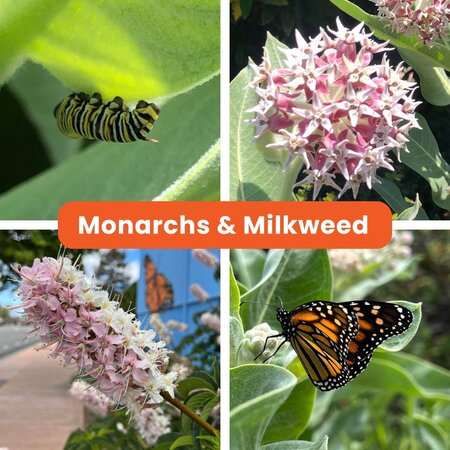
Monarchs and Milkweed in Your San Leandro Garden