Can I Grow Herbs In The Fall?

Can I Grow Herbs in the Fall?

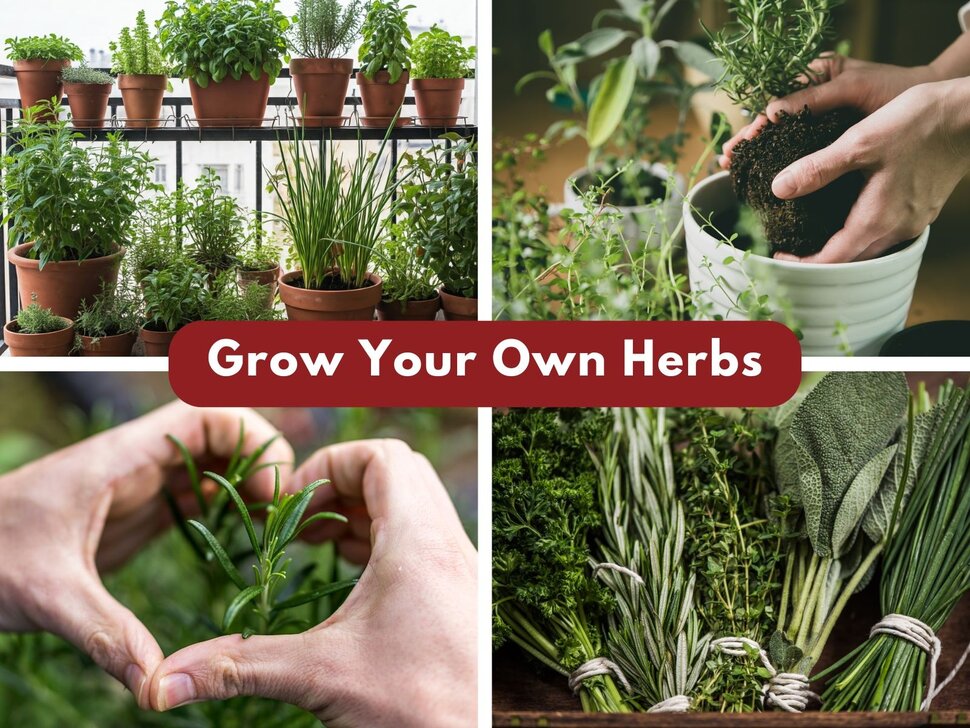
The short answer is yes—you absolutely can grow many popular culinary herbs in the fall here in the East Bay. While many gardeners think of spring and summer as the prime time for fresh herbs, autumn is actually a wonderful season to start or refresh your kitchen garden. With the right choices and a little planning, you can keep your favorite flavors growing well into the cooler months.

Why Fall is Great for Herbs

The mild Mediterranean climate of the San Francisco East Bay makes fall an especially forgiving time for herbs. The days are cooler but not too cold, the soil stays workable, and the lower sunlight intensity reduces stress on new transplants. This combination creates ideal conditions for establishing herb plants in outdoor pots and containers. Container gardening also makes it easy to move plants around as light conditions change, or to provide protection during the occasional cold snap.

Best Fall Herbs for the East Bay

Some herbs actually thrive when temperatures dip, producing fresh, flavorful growth long after tomatoes and peppers have faded. If you want herbs that carry you through fall and even into early winter, consider these dependable cool-season choices:

  • Rosemary – Evergreen and hardy, rosemary is a long-term investment. Plant it in a larger pot, give it plenty of sun, and enjoy aromatic sprigs year-round.

  • Sage – Perfect for fall cooking, sage tolerates cooler weather well. Its silvery leaves bring both beauty and flavor to the garden.

  • Thyme – Compact and tough, thyme is happy in containers and doesn’t mind cooler nights. It pairs well with roasted vegetables and poultry.

  • Parsley – A biennial that’s often grown as an annual, parsley thrives in the fall and provides a steady harvest of fresh leaves for garnishes and salads.

  • Marjoram – Similar to oregano but a bit sweeter, marjoram grows well in pots during the cooler season.

  • Chives – Their mild onion flavor is versatile, and they reliably send up fresh shoots in fall.

  • Mint – In containers, mint is easy to control and will stay green later into the season, especially in a sheltered spot.

  • Cilantro – A classic cool-weather herb, cilantro actually performs better in fall than summer. It bolts quickly in heat, but in cooler temperatures it produces lush, flavorful leaves.

These hardy culinary herbs don’t just tolerate cooler weather—they often improve in flavor as the temperatures drop.

Warm-Weather Herbs in Fall

Some tender herbs are traditionally associated with warm summer days, but you can still enjoy them in early fall in the East Bay. Just be prepared for a shorter season:

  • Basil – Sensitive to cold, basil will keep producing until nighttime temperatures consistently fall below 50°F. Growing it in pots makes it easy to move inside if needed.

  • Tarragon – French tarragon prefers warmth but can linger into fall, especially in a sunny, protected location.

  • Dill – Quick-growing dill can still be sown in fall, though shorter daylight may slow its growth. Use containers so you can follow the sun as it shifts lower in the sky.

Think of these herbs as seasonal bonuses—worth growing if you love them, but not as reliable as the cool-season workhorses.

Best Practices for Growing Herbs in Containers

1. Choose the Right Containers

Opt for pots with good drainage, since soggy roots are the fastest way to lose an herb in cool weather. Terra cotta clay pots and ceramic pots are attractive, while lightweight plastic pots are lighter to move.

2. Use High-Quality Potting Mix

A well-draining, nutrient-rich potting mix helps herbs establish quickly. Avoid using heavy garden soil in containers, as it compacts easily and doesn’t provide the aeration herbs prefer.

3. Transplant Healthy Seedlings

While many herbs can be grown from seed in the warm months, planting mature 4-inch seedings (also called "starts") is the best strategy for fall growing. Plus you'll have the satisfaction of harvesting your fresh herbs sooner to add to your favorite dishes.

4. Provide Adequate Sunlight

Most culinary herbs grown in containers need at least 6 hours of direct sun daily. In fall, as the sun’s angle shifts, reposition containers to maximize light exposure—south-facing patios and balconies are ideal.

5. Water Wisely

Cooler weather means less evaporation, so check soil moisture before watering. Keep the soil evenly moist but not soggy. Herbs like rosemary and thyme prefer drier conditions, while parsley and mint like more consistent moisture.

6. Harvest Regularly

Frequent trimming encourages new growth and prevents herbs from becoming woody or leggy. Use sharp scissors or pruners and cut just above a leaf node to encourage branching.

7. Protect from Cold Snaps

Though the East Bay rarely experiences hard freezes, an unexpected cold night can damage tender herbs. Move containers closer to walls, under eaves, or indoors to a garage or mudroom during sudden drops in temperature.

A Season of Flavor

Growing fall herbs in the East Bay keeps your kitchen stocked with fresh flavors while brightening up outdoor spaces with greenery. Cool-season favorites like rosemary, thyme, parsley, and cilantro are especially well-suited to our autumn climate, while basil and other warm-weather herbs can be stretched a bit longer with the right care.

Whether you’re snipping sage for stuffing or adding fresh chives to roasted potatoes, a fall herb garden is a simple, rewarding way to keep the connection between garden and table alive all year.

Visit our San Leandro garden center today for your fall edible gardening needs. Our staff will be happy to help you choose the right plants and growing supplies for your outdoor spaces.

 
Stace Brewer, Evergreen Nursery Help Desk